🌄 Introduction: A Quiet Hill Blessed by Victory
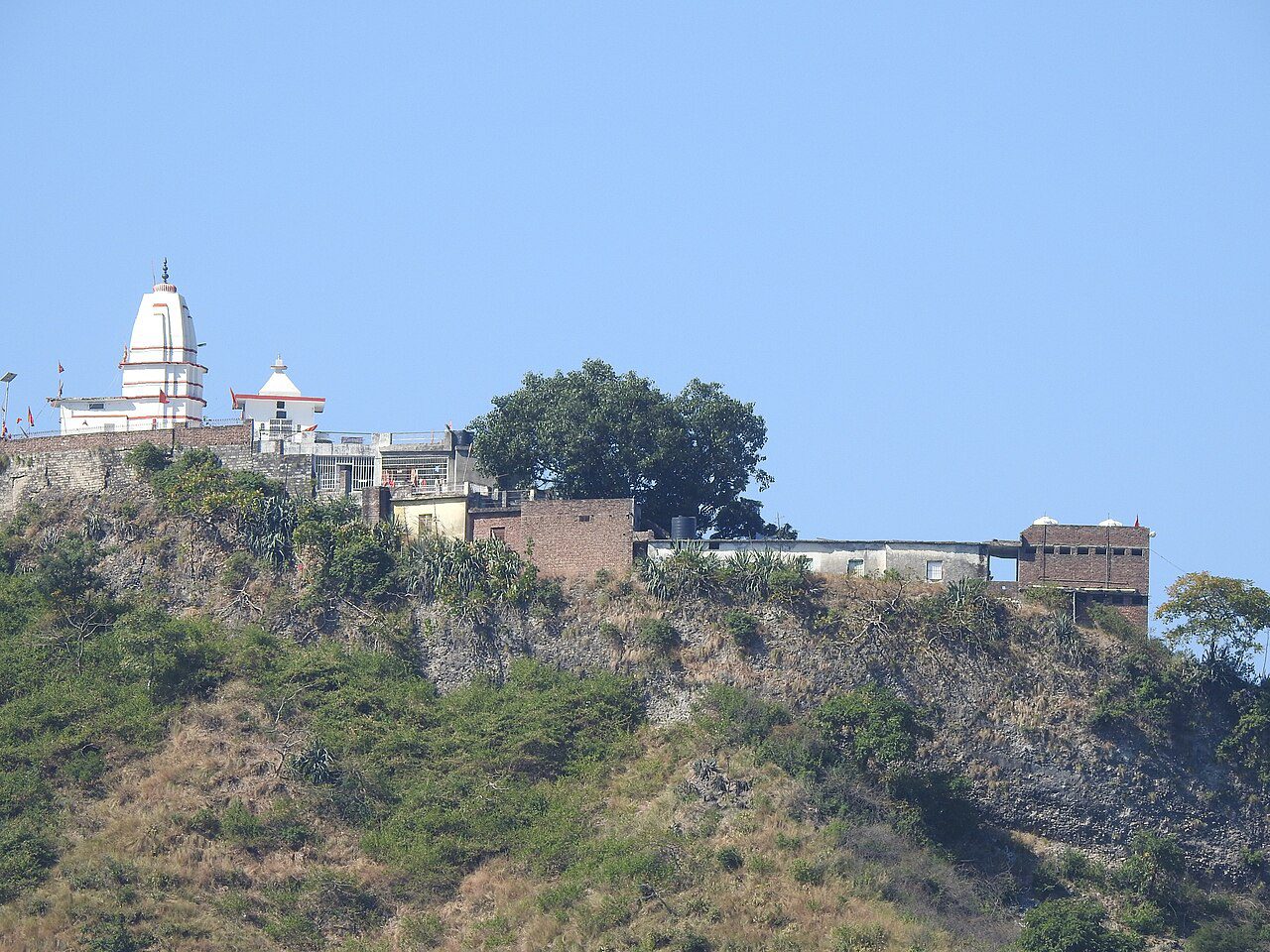
In the heart of the Kangra Valley, away from busy highways and loud crowds, stands a serene and powerful shrine known as Jayanti Devi Shakti Peeth. Perched on a gentle hill in Jayanti Majri village, this ancient temple looks out over green valleys, terraced fields, and the softly flowing Jayanti Rao river.
Unlike more famous hill shrines, Jayanti Devi welcomes pilgrims in silence. The bells are softer, the paths quieter, and the presence of the Goddess feels deeply personal. Devotees come here seeking victory over difficulties, freedom from sins, and protection during life’s uncertain phases.
🕉️ Jayanti Devi and the Shakti Peeth Tradition
According to the sacred Shakti tradition, certain places on earth became Shakti Peethas when parts of the Divine Mother fell upon the land, each site carrying a unique expression of her power.
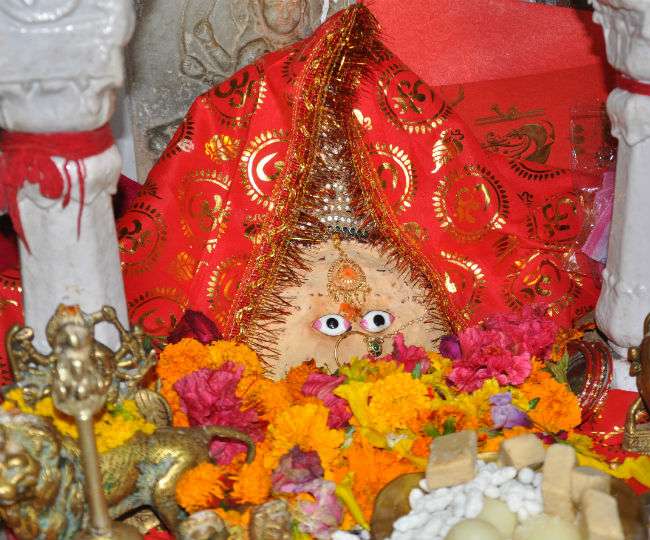
Jayanti Devi Shakti Peeth is revered in regional devotion as one of the important Shakti centres of the Kangra Valley, often counted among the “seven sacred sisters” of this spiritually rich region. Here, the Goddess is worshipped as Jayanti Devi, a victorious and purifying form of Maa Durga who destroys sin, fear, and inner weakness.
📖 The Goddess Jayanti: Victory Over Darkness
The name Jayanti comes from the word “Jaya”, meaning victory. In Shakta belief, Jayanti Devi represents the triumph of righteousness over negativity and the power that restores balance.
Local devotees describe her as:
A protector of villages and families
A remover of deep-rooted sins
A guardian during times of conflict and uncertainty
In many Kangra households, Jayanti Devi is revered as a kula-devi (family deity), remembered during marriages, childbirth, journeys, and moments of danger.
Children are often told:
“Jayanti Mata gives us the strength to win against fear.”
🏞️ Legends and Living Faith
Several legends surround the origin of the temple. One popular tradition links the site to the Pandavas, who are believed to have worshipped the Goddess here during their exile.
Another widely told local story speaks of a devoted bride from Hathnaur village whose sincere prayers caused the Goddess’s stone idol to reveal divine signs of life. Due to regional conflicts and royal disputes, the idol was eventually moved and installed on the present hilltop with the blessings of local rulers, including Raja Gareebdas.
Through centuries of political change, earthquakes, and invasions, devotion to Jayanti Devi never faded—only deepened.
⛰️ Geography of Grace: Where the Temple Stands
Jayanti Devi Shakti Peeth is located in the Kangra district of Himachal Pradesh, around 15 km from Kangra town. The temple stands roughly 500 feet above the surrounding land, offering panoramic views of the valley below.
The setting is peaceful and rural:
Lush fields
Quiet village paths
The gentle sound of the Jayanti Rao river
Many devotees feel that the hill itself carries the Goddess’s protective energy.
🏛️ The Temple and Sacred Space
The temple sits at the highest point of the hill, supported by strong stone pillars. The sanctum houses a stone murti of Jayanti Devi, simple in form yet powerful in presence.
Within the complex and nearby niches are murtis of:
Lord Shiva
Lord Ganesha
Goddess Lakshmi
Bala Sundari
Local guardian deity Lokda Dev
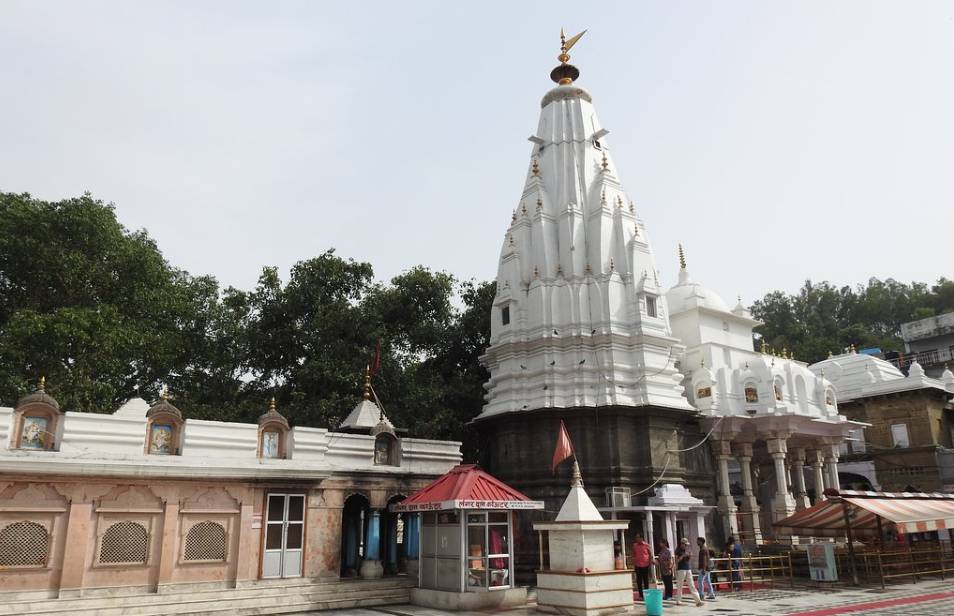
At the base of the hill lies an ancient well with naturally sweet water, believed to be a blessing of the Goddess. Out of reverence, villagers traditionally restrict their homes to single storeys, symbolizing humility before the Devi.
🌸 Worship, Rituals, and Festivals
Daily worship follows a simple rhythm—morning prayers, midday offerings, and evening aarti. The sound of the conch and bell travels softly across fields and hills.
Important occasions include:
Navratri (Chaitra and Sharad)
Sankranti and Amavasya
Local post-harvest melas
During Navratri, clay lamps line the pathways, kanyas are worshipped, and families return home to renew vows to the Goddess.
🚶 How to Reach Jayanti Devi Shakti Peeth
The temple is reached by a 4 km paved trek from the foothills near Old Kangra. The path, once rugged, has been improved and is now suitable for steady walkers.
✈️ Nearest airport: Gaggal (Kangra)
🚆 Nearest railhead: Pathankot, followed by road or narrow-gauge train
🚗 Well connected by road from Kangra, Dharamshala, Palampur
The climb itself feels like part of the pilgrimage—quiet, green, and reflective.
🛕 Jayanti Devi in the Kangra Shakti Circuit
Pilgrims often include Jayanti Devi along with:
Brajeshwari Devi (Kangra Devi)
Together, these shrines form a spiritually powerful Kangra Valley Shakti circuit, blending devotion, history, and nature.
🌟 Conclusion: The Mother Who Grants Inner Victory
Jayanti Devi Shakti Peeth is not about grandeur—it is about quiet strength.
Here, the Goddess does not roar; she reassures. She does not display power; she instills courage. As the valley stretches below and the wind brushes past, one feels a simple but profound truth:
✨ True victory begins within.
Those who leave this hill do not carry trophies—
they carry faith, clarity, and renewed strength.