
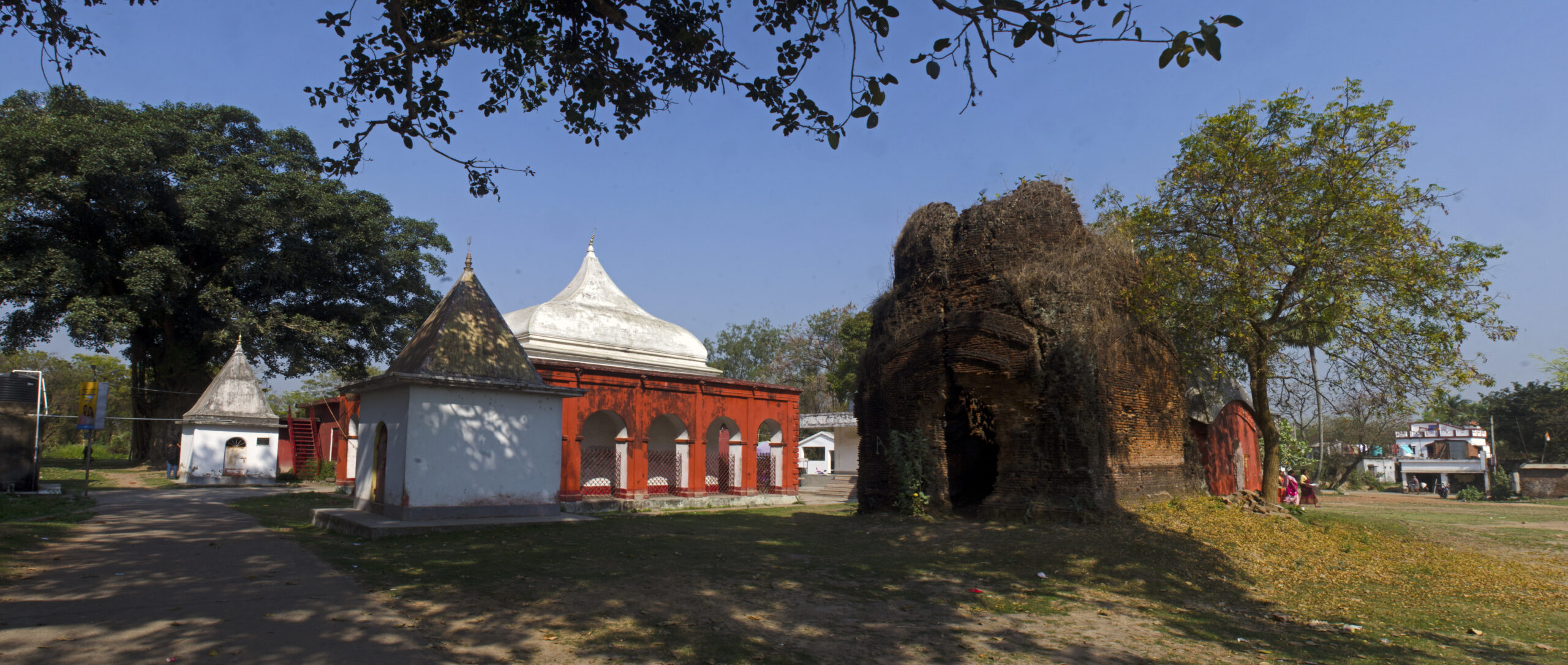
Kiriteswari Shakti Peeth: The Sacred Crown Shrine of Divine Shakti
Kiriteswari Shakti Peeth is one of the most revered and spiritually potent Shakti Peethas in eastern India. Located in Kiritkona, this ancient shrine marks the sacred spot where Goddess Sati’s crown (kireet) is believed to have fallen.
Among devotees, Kiriteswari represents sovereignty, protection, and inner mastery, making this Peeth unique in both symbolism and spiritual resonance.
Kireet Shakti Peeth West Bengal and Sacred Geography
The Kireet Shakti Peeth West Bengal lies close to the banks of the Bhagirathi River, in a serene rural landscape dotted with ponds, trees, and terracotta temples.
Unlike crowded urban shrines, Kiriteswari offers a quiet, grounded spiritual atmosphere, allowing devotees to experience Shakti in stillness rather than spectacle.
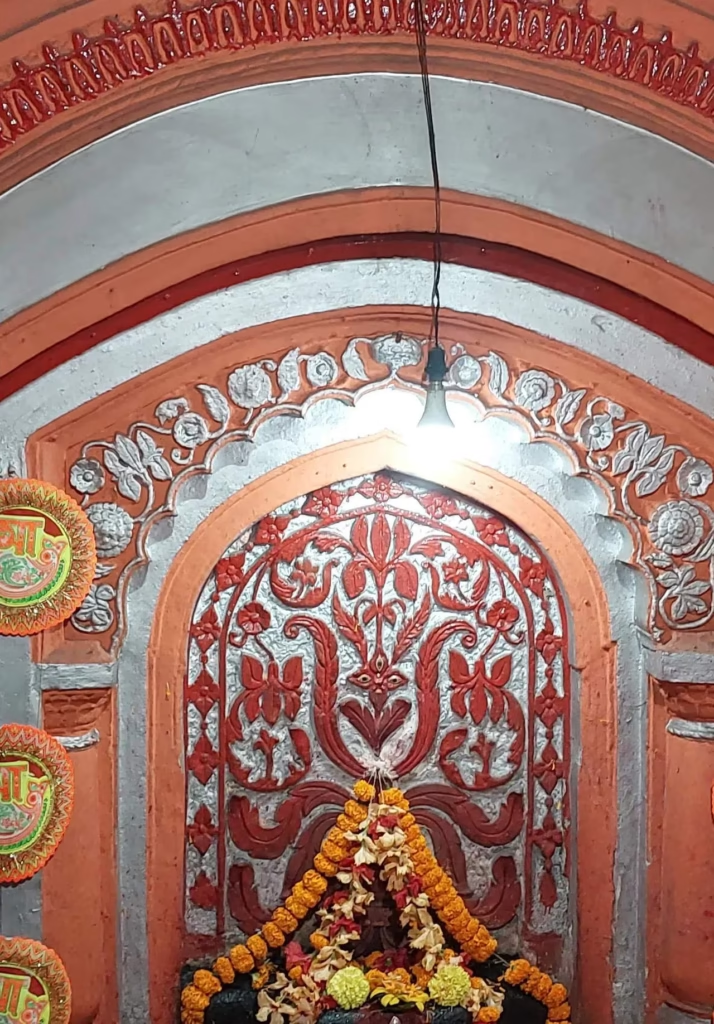
Mythological Origin of Kiriteswari Temple Murshidabad
According to Shakta tradition, after Goddess Sati immolated herself at Daksha’s yajna, Lord Shiva carried her body across the universe in grief.
To restore cosmic balance, Lord Vishnu used the Sudarshana Chakra, causing parts and ornaments of Sati to fall at various places, forming the Shakti Peethas.
At Kiriteswari Temple Murshidabad, it is believed that Sati’s crown (kireet) descended, sanctifying the land. The presiding Goddess is worshipped as Kiriteswari or Vimala, while the associated Bhairava is known as Samvartaka (or Raktakanta).
Shakti Peeth in West Bengal and Its Unique Status
Among every Shakti Peeth in West Bengal, Kiriteswari holds a special position. Since an ornament rather than a body part fell here, some traditions classify it as an Upa-Peeth.
However, local belief honors Kiriteswari as the first among Shakti Peethas, emphasizing the symbolic importance of the crown—conscious authority and divine order.
Kiritkona Shakti Peeth and Historical Legacy
The Kiritkona Shakti Peeth is believed to be over 1,000 years old. The original shrine, known as Adi Kiriteswari or Mahamaya Temple, was destroyed by fire around the early 15th century.
The present structure was rebuilt in the 19th century by Raja Darpanarayan Ray, a zamindar during the Nawabi and early British periods. Legends say Nawab Mir Jafar, suffering from leprosy, sought the temple’s holy water, acknowledging its healing power.
Kiriteswari Shakti Peeth History and Architecture
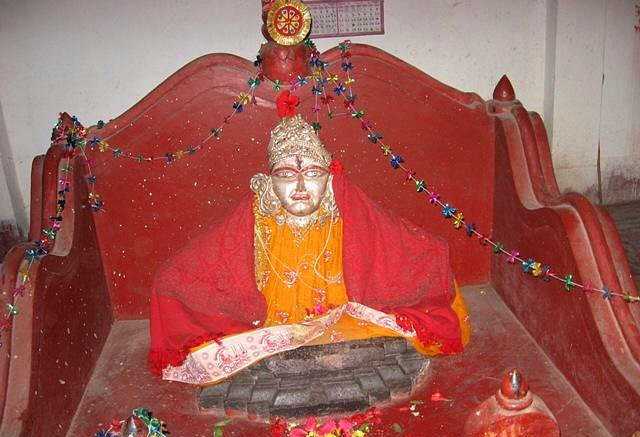
The Kiriteswari Shakti Peeth history is reflected beautifully in its architecture. The temple follows the Bengal terracotta style, featuring:
Char-chala roof
Curved cornices
Ek-ratna shikhara
Corbelled brick construction
Terracotta panels depict scenes from the Ramayana, Mahabharata, Krishna lila, village life, and even colonial-era figures—making the temple a living historical record.
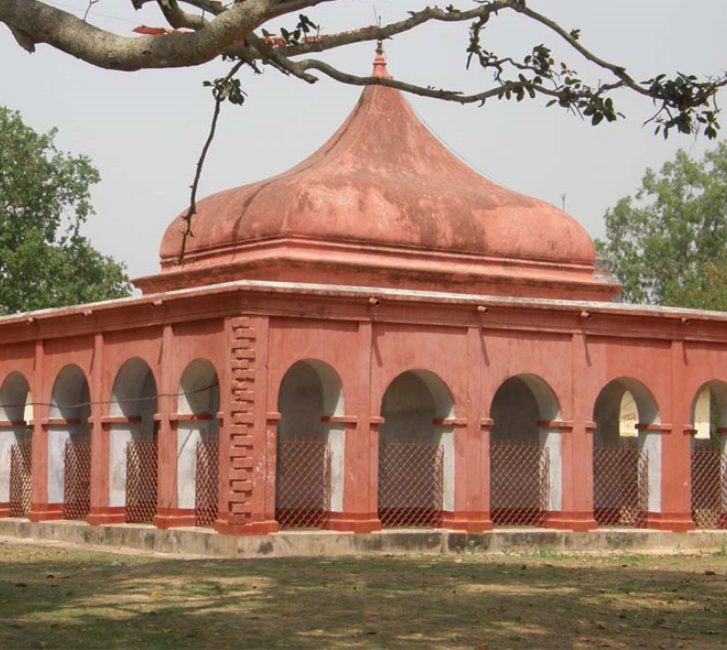
Vimala Devi Shakti Peeth and Deity Worship
At the Vimala Devi Shakti Peeth, there is no anthropomorphic idol. Instead, the Goddess is worshipped in the form of a veiled red or black stone, symbolizing formless primal Shakti.
Daily rituals include:
Mangal aarti
Bhog offerings of fruits and sweets
Evening deepa aradhana
Devotees pray here for protection, healing, and inner strength.
Mukuteshwari Shakti Peeth Festivals and Ritual Life
The Mukuteshwari Shakti Peeth comes alive during major festivals:
Navaratri & Durga Puja
Kali Puja / Diwali
Ashtami and Amavasya tithis
Drumbeats, jagrata singing, and village melas fill the air, keeping the Shakta tradition vibrant and communal.
Visiting Kiriteswari Shakti Peeth
📍 Location: Kiritkona village, Murshidabad
🚆 Nearest railhead: Dahapara or Bhagwangola
🚗 Road: ~20–30 km from Berhampore
⏰ Timings: 6 AM–1 PM, 4 PM–9 PM
🎟️ Entry: Free
Basic facilities, food stalls, and parking are available near the temple.
Spiritual Meaning of Kiriteswari Shakti Peeth
Kiriteswari Shakti Peeth teaches a subtle but powerful truth:
The crown is not power over others,
but mastery over oneself.Here, the Divine Mother reminds devotees that true sovereignty is inner balance, guided by dharma and compassion.
Quick Facts – Kiriteswari Shakti Peeth
State: West Bengal, India
District: Murshidabad
Village: Kiritkona
Body element: Crown (Kireet)
Goddess: Kiriteswari / Vimala
Bhairava: Samvartaka / Raktakanta
Temple style: Bengal terracotta
Frequently Asked Questions (FAQ)
Is Kiriteswari Shakti Peeth one of the 51 Shakti Peethas?
Yes, Kiriteswari is traditionally included among the Shakti Peethas, though some classify it as an Upa-Peeth due to the fall of an ornament.
Which part of Sati fell at Kiriteswari?
According to belief, Goddess Sati’s crown (kireet) fell at Kiriteswari.
What is the best time to visit?
October to March is ideal, especially during Navaratri and Kali Puja.
Final Reflection
Kiriteswari Shakti Peeth does not overwhelm—it steadies. In the quiet rhythm of bells and terracotta walls, the Goddess teaches a timeless lesson: when the mind wears the crown of awareness, life itself becomes sacred.
May Maa Kiriteswari bless every seeker with clarity, courage, and calm 🌺