
Jeshoreshwari Shakti Peeth: A Sacred Seat of the Divine Mother
The Jeshoreshwari Shakti Peeth, also lovingly known as Jateswari Shakti Peeth, is one of the most revered Shakti Peethas located in present-day Bangladesh. This ancient shrine stands as a living reminder of the powerful Shakta tradition that once flourished across undivided Bengal. For devotees, Jeshoreshwari is not merely a temple—it is a place where the Divine Mother’s protective and fearless energy is deeply felt.
According to Shakta belief, Shakti Peethas are sacred sites formed where parts of Goddess Sati’s body fell, making each location spiritually charged. Jeshoreshwari Shakti Peeth holds a special place among the Shakti Peethas in Bangladesh, symbolizing courage, protection, and unwavering faith.
Mythological Origin of Jeshoreshwari Shakti Peeth
In the ancient story of Goddess Sati and Lord Shiva, Sati sacrificed herself in the fire of her father Daksha’s yagna after Shiva was insulted. Overcome with grief, Shiva carried her body across the universe. To restore balance, Lord Vishnu used his Sudarshana Chakra, causing parts of Sati’s body to fall upon the earth—forming the sacred Shakti Peethas.
At Jeshoreshwari Shakti Peeth, tradition holds that Sati’s left palm (or in some accounts, the ankle) fell. This made the site a powerful Shakti Peetha of Sati, where the Goddess is worshipped as Maa Jeshoreshwari Kali, bestowing fearlessness and divine protection upon her devotees.
Who Is Goddess Jeshoreshwari (Jateswari)?
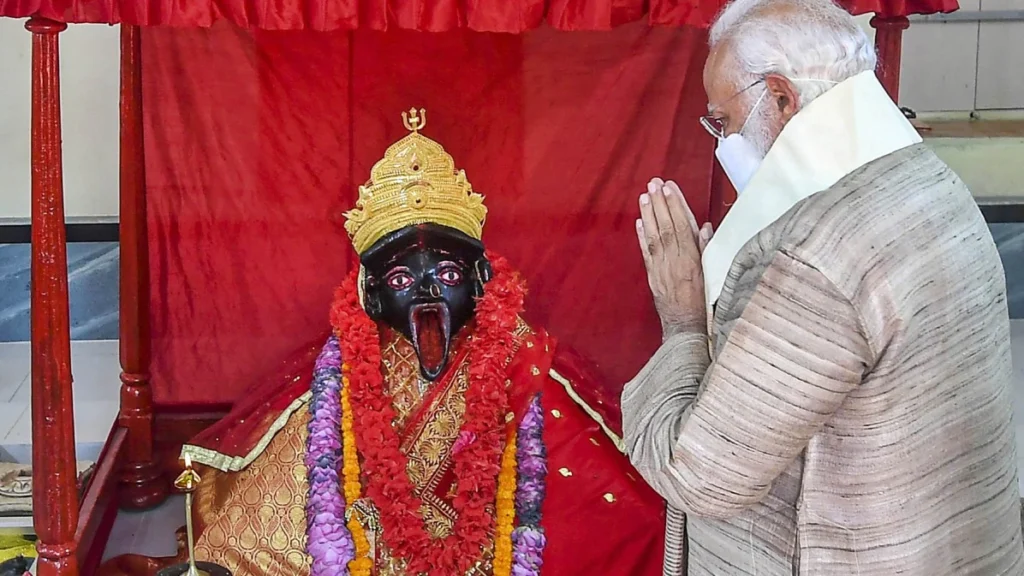
The presiding deity of this shrine is Goddess Jateswari, a fierce yet compassionate form of Adi Shakti. She is often depicted in Abhaya Mudra, a gesture that assures devotees: “Do not fear.”
This aspect of the Goddess emphasizes inner strength, courage during hardships, and spiritual resilience—values that make Jeshoreshwari Kali Temple Bangladesh especially meaningful for families and seekers alike.
Historical Journey Through Time
The history of Jeshoreshwari Shakti Peeth stretches back many centuries. Scholars associate its early prominence with the Pala and Sena periods, while later rulers such as King Lakshman Sen and Maharaja Pratapaditya contributed to its growth as a major pilgrimage site.
The temple suffered severe damage during the 1971 Bangladesh Liberation War, leaving only parts of the original structure. Yet, like the Shakti it represents, the shrine endured. Today, its restored form stands as a symbol of survival and devotion, connecting modern pilgrims with ancient Bengal’s spiritual roots.
Temple Architecture and Sacred Features
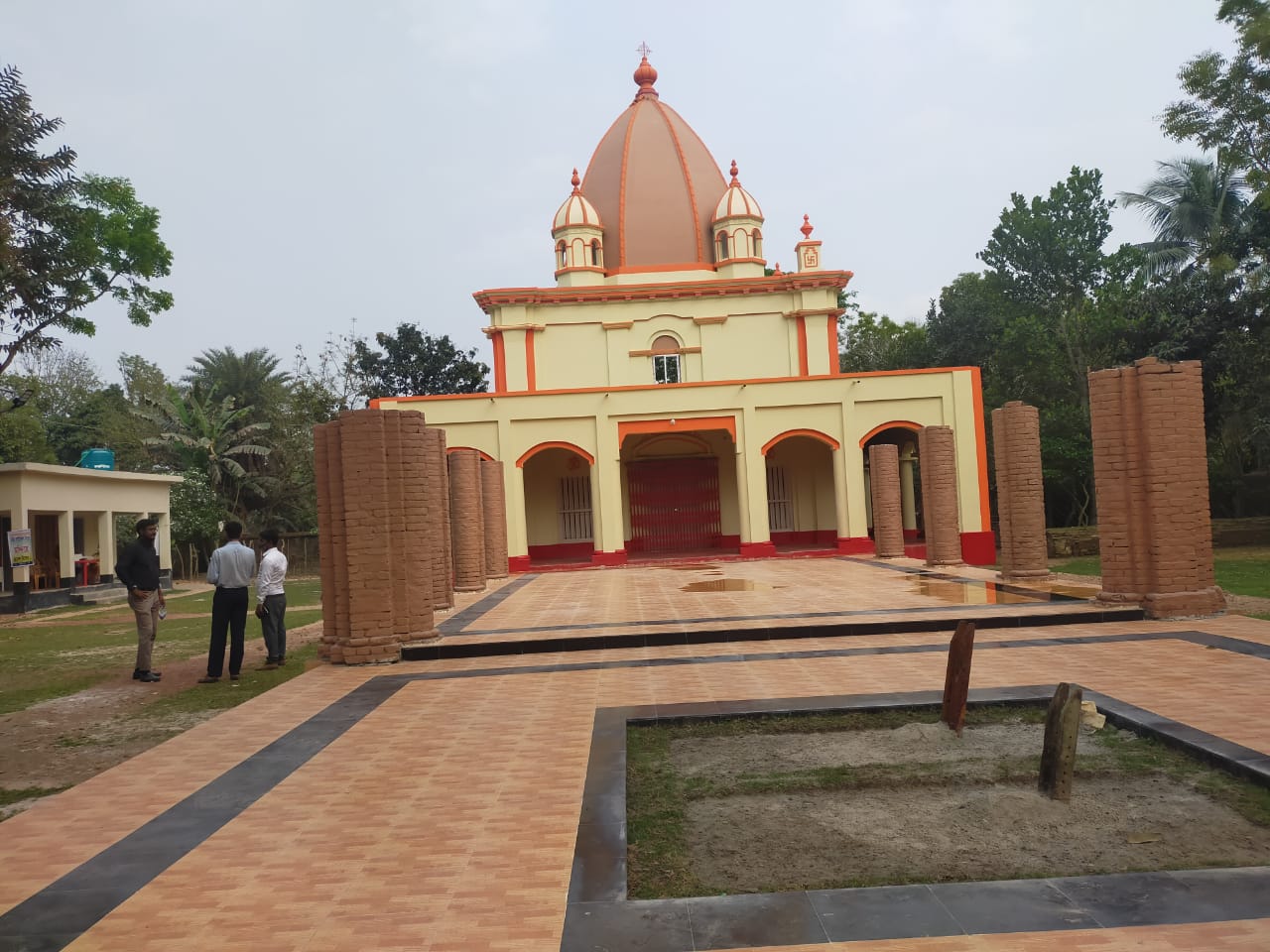
Unlike grand temples with towering gopurams, Jeshoreshwari Kali Temple has a simple, open design. The sanctum is modest, focusing attention on the Goddess rather than architectural grandeur. A rectangular Natmandir (assembly hall) allows devotees to gather for darshan, prayers, and festivals.
This simplicity reinforces the core Shakta teaching: true power lies within devotion, not decoration.
Rituals, Festivals, and Worship Practices
Daily worship at Jeshoreshwari Shakti Peeth includes lamp lighting, flower offerings, and mantra recitation. Major festivals bring the temple to life:
Navaratri & Durga Puja – Celebrating the Divine Feminine
Kali Puja – Honoring the fierce protective aspect of the Goddess
Amavasya & Purnima – Auspicious lunar days for Shakti worship
Devotees from different faiths are often seen here, reflecting the inclusive spirit of ancient Shakti temples of Bengal.
Location and How to Reach
Country: Bangladesh
District: Satkhira (Shyamnagar Upazila)
Nearest city: Khulna
Pilgrims usually travel from Dhaka to Khulna, then continue by road to the temple village. The shrine lies close to the India–Bangladesh border, making it an important spiritual bridge between the two nations.
Pilgrimage Experience (Child-Friendly)
Children often find the temple peaceful and welcoming. Open spaces, gentle rituals, and community gatherings make it easy for families to visit. Elders share stories of Goddess Jateswari, helping younger generations understand courage, faith, and kindness.

1 thought on “Jeshoreshwari Shakti Peeth, Bangladesh – The Sacred Power of Maa Jateswari”