Overview
Jateswari Shakti Peeth, also spelled Jatashwari or Jateshwari, is a traditionally mentioned Shakti Peetha associated with the sacred narrative of Goddess Sati and Lord Shiva. In several Tantric and regional Shakta traditions, Jateswari is revered as the divine seat where Sati’s hair (jata) is believed to have fallen during Shiva’s cosmic wandering after her self-immolation.
However, unlike many widely recognized Shakti Peethas, Jateswari does not have a universally confirmed physical temple or fixed geographical identification today. Because of this, it is regarded as a disputed or traditionally remembered Shakti Peetha, preserved primarily through oral lore, Tantric symbolism, and devotional memory rather than continuous temple worship.
This article presents both the devotional tradition and the scholarly clarity, allowing seekers to understand Jateswari with reverence and discernment.
Names and Traditional Identification
Primary Names: Jateswari, Jatashwari, Jateshwari
Associated Shakti: Goddess Jateswari
Associated Bhairava: Ishana or Jateshvara (varies by text)
Sacred Association: Hair / matted locks (jata) of Goddess Sati
Some regional traditions loosely place Jateswari within the Sylhet cultural sphere of Bangladesh, though no definitive archaeological or historical location is confirmed.
Mythological Background
According to Shakta lore, after Goddess Sati immolated herself at her father Daksha’s yagna, Lord Shiva carried her body across the universe in grief. To restore cosmic balance, Lord Vishnu used the Sudarshan Chakra to dismember Sati’s body, and the places where these parts fell became sacred Shakti Peethas.
In certain Tantric lists, a lock or strand of Sati’s hair (jata) is said to have fallen at the site remembered as Jateswari. The very name Jateswari means “Mistress of the Matted Locks”, symbolizing:
Ascetic power
Untamed Shakti
Protection through restraint
Inner clarity through discipline
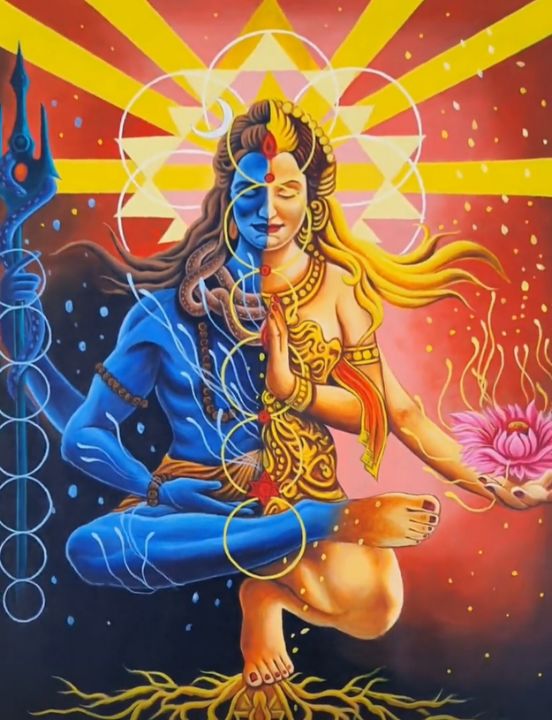
This symbolism aligns closely with Shiva’s own jata, reinforcing the Shiva–Shakti unity represented at this Peetha.
Symbolism and Iconography
Although no widely accepted ancient idol or temple structure survives today, devotional imagination portrays Jateswari as:
Radiant with flowing or matted hair
Embodying mental clarity and protection
Untangling karmic and emotional knots
Guarding travelers, seekers, and students
The Bhairava aspect, Ishana or Jateshvara, represents Shiva’s northern and guiding direction, symbolizing spiritual leadership rather than ferocity.
Devotional Practices and Sadhana
Despite its disputed physical status, Jateswari continues to live in Tantric devotion and personal sadhana.
Common Offerings
Red hibiscus flowers
Bel leaves
Fragrant oils (symbolic of hair care)
Unbroken rice and simple sweets
Mantra (Traditional Usage)
Om Hreem Jateswaryai Namah
Or a simple chant: Jai Jateswari Maa
Spiritual Focus
Devotees associate this Peetha with:
Mental order and discipline
Release from confusion
Protection during transitions
Control over restless thoughts
A common vow described in Tantric circles is “mana-samvara” — consciously keeping one’s thoughts orderly as an offering to the Goddess.
Festivals and Auspicious Times
While no centralized festival is universally observed for Jateswari, practitioners often honor her during:
Navaratri (both Chaitra and Sharada)
Mahashivaratri (joint Shiva–Shakti worship)
Amavasya (new-moon nights for japa and reflection)
⚠️ Important Editorial Clarification (Read Carefully)
Transparency Note for Readers
Jateswari Shakti Peeth is not listed as a distinct, geographically verified site in most mainstream or academic compilations of the 51 Shakti Peethas, including major pilgrimage records and temple databases.
Its identity is preserved mainly through Tantric texts, regional traditions, and oral devotional memory. There is no widely recognized physical temple or fixed coordinates associated with Jateswari today.
This article presents Jateswari as a traditionally mentioned and spiritually symbolic Shakti Peetha, not as a conclusively verified pilgrimage site.
This clarity ensures respect for both faith and factual integrity.
Common Confusions Clarified
Jateswari ≠ Jessoreswari
Jessoreswari (Ishwaripur, Bangladesh) is a separately recognized and physically established Shakti Peetha.Jateswari ≠ Jayanti Shakti Peeth
Jayanti Shakti Peeth (Sylhet region) is associated with a different body part and tradition.
Similar names and regional proximity have caused confusion in modern lists, which this article consciously avoids.
Who May Feel Drawn to Jateswari?
Meditators seeking mental clarity
Students and travelers in transition
Tantric practitioners
Devotees drawn to symbolic, inward pilgrimage rather than physical travel
A Devotional Reflection
To meditate on Jateswari is to reflect on the Goddess not as a destination, but as a state of inner order. Her jata symbolizes the mind brought under sacred discipline — powerful, contained, and luminous.
Even without a visible shrine, Jateswari lives wherever devotion seeks clarity over chaos.
Conclusion
Jateswari Shakti Peeth stands at the intersection of myth, symbolism, and Tantric memory. While not universally confirmed as one of the physically traceable Shakti Peethas, her presence endures in spiritual imagination and personal sadhana.
By honoring Jateswari with honesty and reverence, we preserve both devotional depth and scholarly responsibility — allowing faith to breathe without distorting truth.