Jayanti Shakti Peeth: Where the Heart of the Goddess Resides
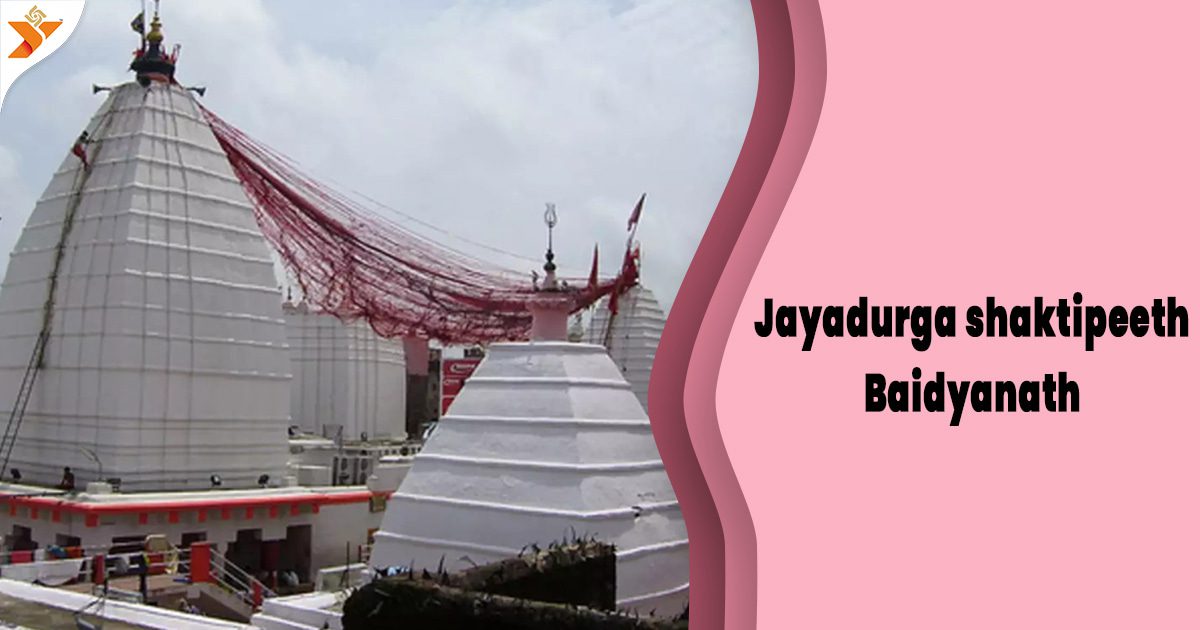
Located within the sacred precincts of Baidyanath Jyotirlinga at Deoghar, the Jayanti Shakti Peeth is one of the most spiritually potent centers of Shakta worship in eastern India. Revered as the place where the heart (hridaya) of Goddess Sati fell, this Peeth is also known as Hridaya Peeth or Jay Durga Shakti Peeth.
What makes this shrine unique is its inseparable proximity to a Jyotirlinga, creating a living symbol of Shiva–Shakti unity—stillness and power, consciousness and energy, side by side.
Mythological Origin of Jayanti Shakti Peeth
According to the ancient Shakti Peetha tradition, the origin of Jayanti Shakti Peeth is rooted in the cosmic tragedy of Daksha’s Yagna.
When Goddess Sati sacrificed herself in the fire after being humiliated by her father, Lord Shiva carried her lifeless body across the universe in grief. To restore cosmic balance, Lord Vishnu used the Sudarshana Chakra, causing parts of Sati’s body to fall across the subcontinent.
At Chitabhumi, the ancient name of Deoghar, Sati’s heart fell, sanctifying the land forever. Because Shiva is believed to have performed her cremation rites here, the place came to be known as Chitabhumi—the land of the sacred pyre.
Shiva–Shakti Confluence at Baidyanath Dham
The Jayanti Shakti Peeth stands directly opposite the Baidyanath Jyotirlinga, making Deoghar one of the rare pilgrimage centers where a Jyotirlinga and Shakti Peeth coexist.
Here, Lord Shiva is worshipped as Vaidyanath, the divine physician who heals diseases of body and soul. The Goddess, worshipped as Jayanti or Jay Durga, represents emotional healing, courage, and inner balance—symbolically completing Shiva’s role as healer.
This sacred pairing elevates Deoghar to the same spiritual stature as Kashi Vishwanath, where Shakti and Shiva are worshipped together
Temple Structure and Sacred Features
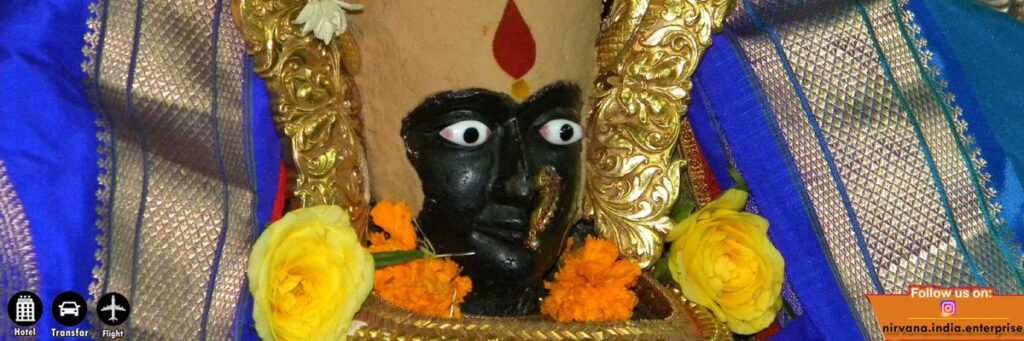
The Jay Durga Temple within the Baidyanath complex is modest in structure but intense in spiritual presence.
Key features include:
Stone platform housing idols of Durga and Parvati
Continuous offerings of milk, flowers, and sindoor
Gathbandhan ritual: Red silk threads are tied between the peaks of the Jyotirlinga and Shakti Peeth, symbolizing divine marriage and harmony
Forms of Devi worshipped here include Tripura Sundari and Chhinnamasta, making the shrine significant for Tantric seekers
The absence of architectural grandeur emphasizes inner devotion over external form.
Historical Layers and Regional Traditions
The sanctity of Jayanti Shakti Peeth is closely linked with legends of Ravana, who is believed to have brought the Jyotirlinga to Deoghar while performing severe penance.
Over centuries, Deoghar evolved into a major Shakta–Shaiva center, patronized by kings, sages, and later colonial-era pilgrims. Oral traditions preserved by temple pandas remain central to its living history.
Festivals and Devi Jayanti Celebrations
Among all observances, Devi Jayanti festival holds special importance at this Shakti Peeth.
Major celebrations include:
Shravan Mela (July–August) – Millions of Kanwariyas visit Baidyanath and offer Ganga water
Navaratri – Nine days of Devi worship, recitation of Durga Saptashati
Mahashivaratri – Shiva–Shakti night of cosmic balance
Devi Jayanti – Honoring the birth and victory of the Goddess
During these times, Deoghar transforms into a continuous stream of chanting, lamps, and devotion.
Pilgrim’s Guide to Jayanti Shakti Peeth
Location: Within Baidyanath Jyotirlinga complex, Deoghar
Nearest Rail: Jasidih Junction (10 km)
Airport: Deoghar Airport (domestic)
Temple Timings: Approx. 4:00 AM – 9:00 PM
Best Time: Early morning during non-festival days
Modest dress, patience in queues, and respect for rituals are essential.
Nearby Sacred Sites
Tapovan Hills – Caves associated with sage meditation
Naulakha Temple – Ornate Radha–Krishna shrine
Trikut Hills – Scenic ropeway and nature retreat
Spiritual Meaning of the Hridaya Peeth
The heart represents love, emotion, and devotion. At Jayanti Shakti Peeth, devotees believe that emotional wounds, grief, and fear dissolve through sincere prayer.
Where Shiva heals the body, the Goddess heals the heart.
A Devotional Closing Reflection
Jayanti Shakti Peeth does not shout its greatness—it beats quietly, like a heart sustaining life. In the presence of Baidyanath and Jay Durga together, one realizes that true healing comes when strength and compassion meet.
If you walk into Deoghar with humility, the Goddess listens.