
Nalhati Shakti Peeth: A Sacred Center of Shakti in Birbhum
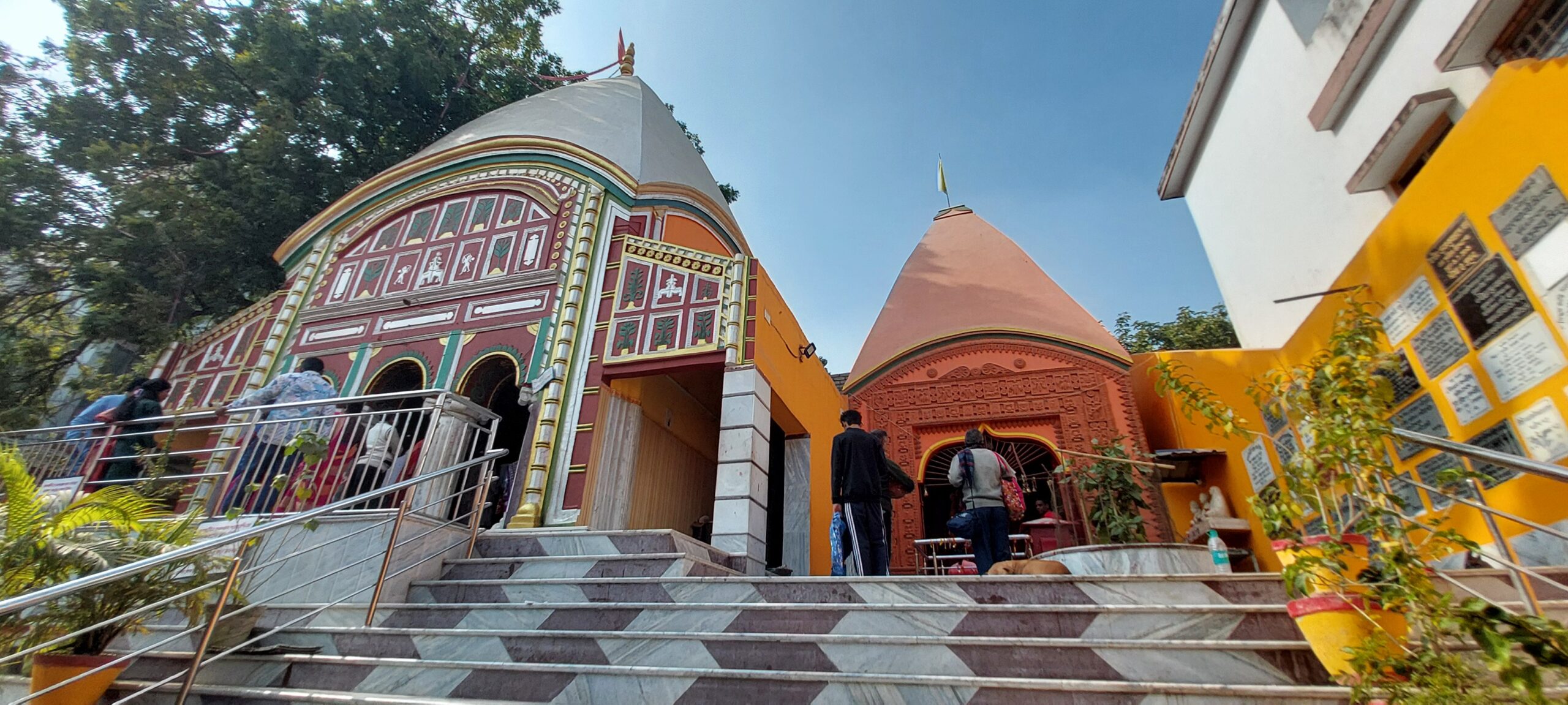
Nalhati Shakti Peeth, located in Nalhati town of Birbhum district, West Bengal, is revered as one of the ancient Shakti Peethas where a vital part of Goddess Sati manifested. According to Shakta tradition, the throat (nala) of the Goddess fell here, giving the shrine its sacred identity and name. Worshipped as Kalika Devi, this Peeth is known for its fierce yet compassionate energy, drawing devotees seeking spiritual strength, healing, and protection.
Mythological Origin of Nalateswari Shakti Peeth
The legend of Nalateswari Shakti Peeth arises from the well-known Daksha Yajna episode. When Goddess Sati immolated herself after being insulted by her father Daksha, Lord Shiva carried her body across the universe in grief. To restore cosmic balance, Lord Vishnu released the Sudarshana Chakra, causing Sati’s body to disintegrate across sacred locations.
At Nalhati, the nala (throat or windpipe) is believed to have fallen, sanctifying the land forever. Because of this association, the presiding Goddess is known as Nalateswari or Kalika Devi, and the Bhairava here is worshipped as Yogesh.
Etymology and Spiritual Meaning of Nalhati
The name Nalhati Kalika Temple is traditionally derived from two words—Nala (throat or tube) and Hati (portion). Symbolically, the throat represents speech, breath, and inner expression, making this Shakti Peeth especially significant for devotees praying for clarity, healing of throat ailments, and spiritual articulation.
This meaning aligns Nalhati closely with other expressive Shakti centers such as Kalighat, where fierce compassion defines the Goddess’s grace.
Historical Evolution of Kalika Devi Temple Nalhati
The Kalika Devi Temple Nalhati is believed to have taken structured form between the 14th and 16th centuries, during the rise of Shakta worship in Bengal. Regional rulers, including Malla and later zamindari patrons, supported the shrine. In the colonial period, Nalhati’s emergence as a railway junction increased pilgrim access.
The temple also served as a discreet refuge during India’s freedom movement, embedding it deeply into Bengal’s socio-spiritual history.
Temple Architecture and Sacred Features
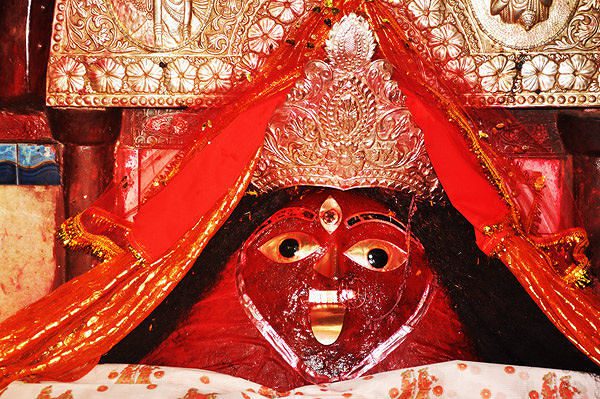
The Nalhati Kalika Temple is modest in scale yet rich in symbolism. The sanctum houses a swayambhu pitha stone rather than a sculpted idol—common among Shakti Peethas where Sati’s body parts are worshipped directly.
Notable features include:
Gold-adorned eyes and crown symbolizing Devi’s vigilance
A sacred depression beneath the pitha where water mysteriously never overflows nor dries
Natmandir for bhajans and recitations
Lalita Kund for ritual purification
Bali peeth indicating Tantric heritage
Rituals and Religious Importance of Shakti Peeth in Birbhum
As a prominent Shakti Peeth in Birbhum, Nalhati is especially revered for Tantric and Shakta rituals. Devotees believe prayers here remove fear, negative energies, and ailments related to speech and breath.
Daily and seasonal practices include:
Mangala Aarti and Sandhya Aarti
Havan and mantra japa
Fasting on Amavasya and Purnima
Major festivals include Navaratri, Kali Puja, Shivaratri, and regional melas.
Nalhati in the Sacred Geography of West Bengal
The Shakti Peethas of West Bengal form a dense spiritual network, and Nalhati occupies a central place among them. Pilgrims often visit Nalhati along with:
Tarapith – Tara Devi’s Tantric seat
Kankalitala – Associated with Sati’s bones
Fullara – Another Birbhum Peeth
Pilgrimage Guide to Nalateshwari Devi Temple
Location: Nalhati town, Birbhum district, West Bengal
Rail: Nalhati Junction (well connected)
Best Time: October to February
Offerings: Red hibiscus, sindoor, neem leaves, sweets
Basic lodges and prasad stalls are available near the temple.
Why Nalhati Shakti Peeth Is Spiritually Unique
Among all Shakti Peethas, Nalhati Shakti Peeth holds a subtle yet powerful position. The throat is the bridge between thought and expression, and devotees believe that sincere prayer here helps align inner truth with outer life.
A Gentle Devotional Reflection
Nalhati does not overwhelm—it whispers power. Standing before Kalika Devi, one senses a calm intensity, as if the Goddess teaches strength through restraint. In the stillness of Birbhum’s sacred soil, Nalateswari reminds us that even the fiercest Shakti listens deeply before she speaks.