
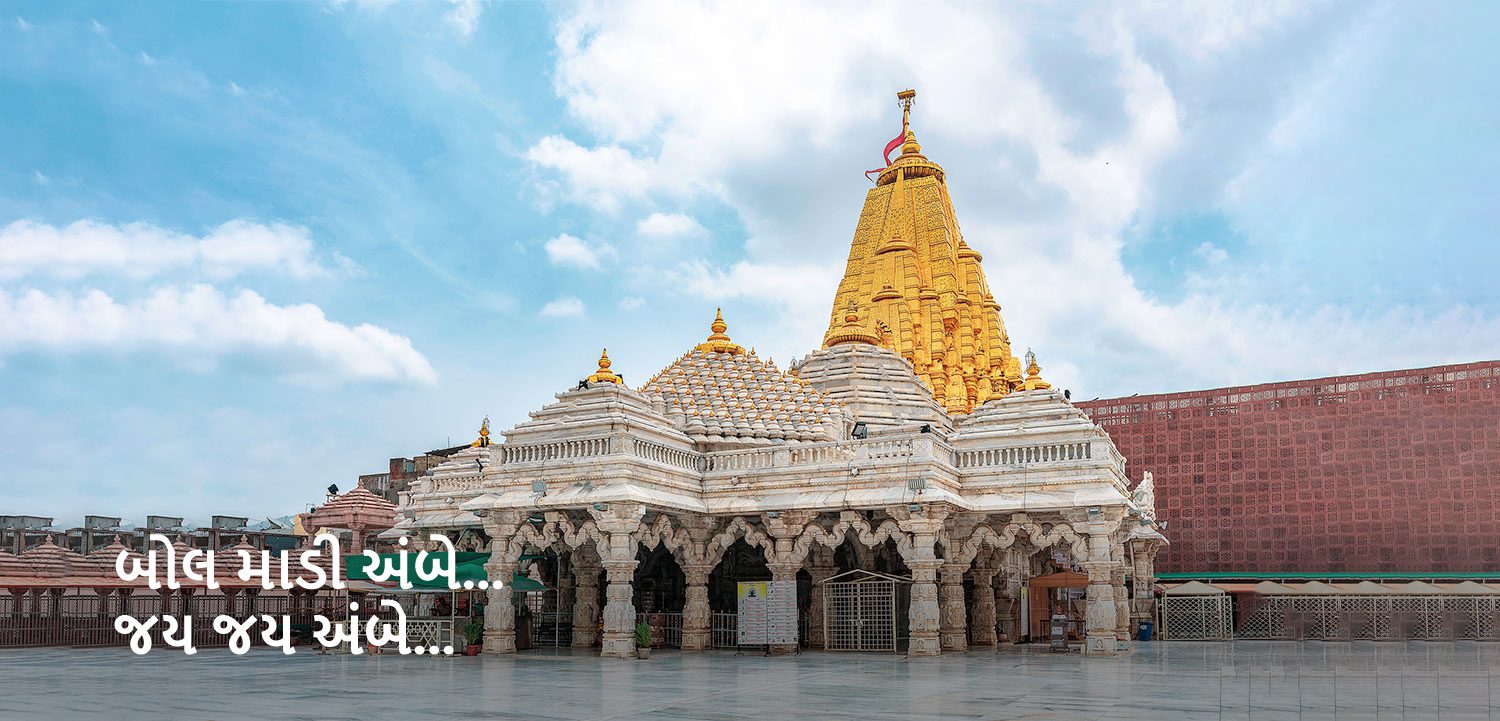
Ambaji Shakti Peetha – The Sacred Abode of Arasuri Mata
Ambaji Shakti Peetha, also revered as Arasuri Mata Temple, is one of the most powerful and ancient Shakti Peethas in Gujarat, located in Ambaji town near the Aravalli ranges of Banaskantha district. Unlike most Devi temples, the sanctum enshrines the Shri Visa Yantra instead of a physical idol, emphasizing the formless, cosmic energy of the Goddess.
According to Shakti Peetha tradition, Goddess Sati’s Heart (Hrudaya) fell here, making Ambaji a Mahashakti Peetha of immense tantric and spiritual importance.
Mythological Origin of Ambaji Shakti Peetha
As described in Devi-centric Puranic traditions, after Sati’s self-immolation at Daksha Yagna, a grief-stricken Lord Shiva carried her body across the cosmos. To restore balance, Lord Vishnu used the Sudarshana Chakra, causing Sati’s body to fall across the Indian subcontinent, forming the 51 Shakti Peethas.
At Ambaji Shakti Peetha, the Heart of Goddess Sati is believed to have fallen, infusing the land with pure Shakti tattva. This association firmly establishes Ambaji as a Siddha Peetha, especially revered in Sri Vidya and Navarna mantra sadhana.
Shri Visa Yantra – The Formless Presence of Devi
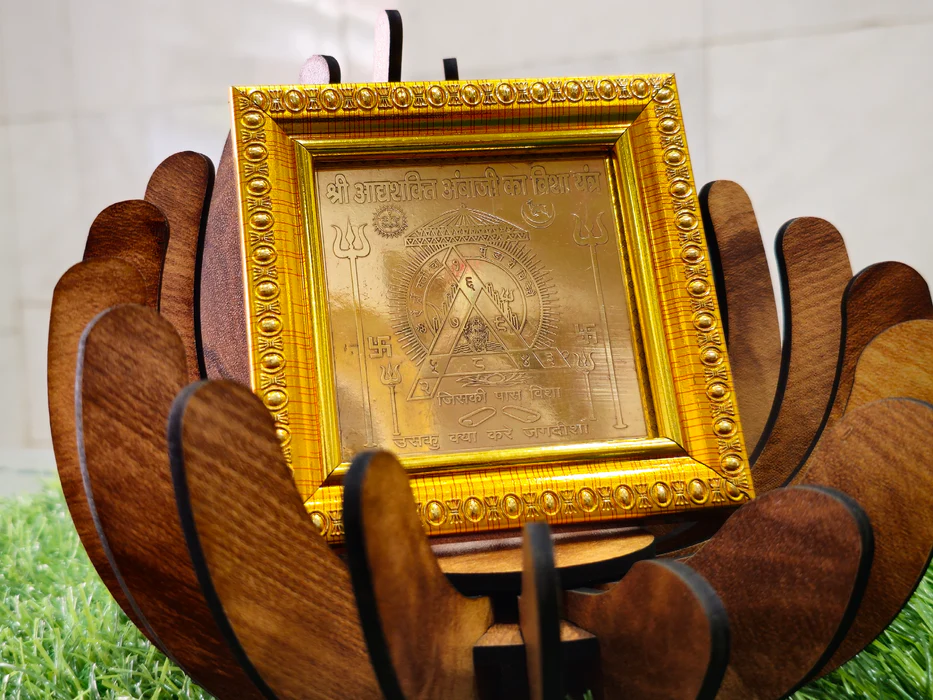
One of the most unique aspects of the Arasuri Mata Temple is the absence of a murti (idol). Instead, worship centers on the Shri Visa Yantra, kept veiled and revealed only to temple priests.
The Shri Visa Yantra symbolizes:
Supreme feminine consciousness
Sri Vidya lineage
Creation, preservation, and dissolution
Devotees perform mantra japa, sankalpa, and yantra-based worship, making Ambaji Shakti Peetha a deeply tantric and meditative shrine.
Historical and Cultural Significance
References to Ambaji Shakti Peetha appear in regional folklore, temple chronicles, and oral traditions passed through generations. The temple’s present white-marble structure reflects centuries of renovation under local rulers and devotees.
Situated on ancient trade routes between Gujarat and Rajasthan, Ambaji evolved into a vibrant spiritual and cultural center. Folk legends also associate the site with the Pandavas, who are said to have worshipped the Goddess here during exile.
Temple Architecture and Sacred Geography
Architectural Style: Nagar-style with marble facades
Sanctum: Houses the Shri Visa Yantra
Mandapas: Sabha Mandap with carved pillars and ceilings
Toranas: Ornamental gateways depicting sacred symbols
The Ambaji Temple Complex also includes ritual spaces, pradakshina paths, and pilgrim facilities.
Gabbar Hill – The Original Seat of the Goddess
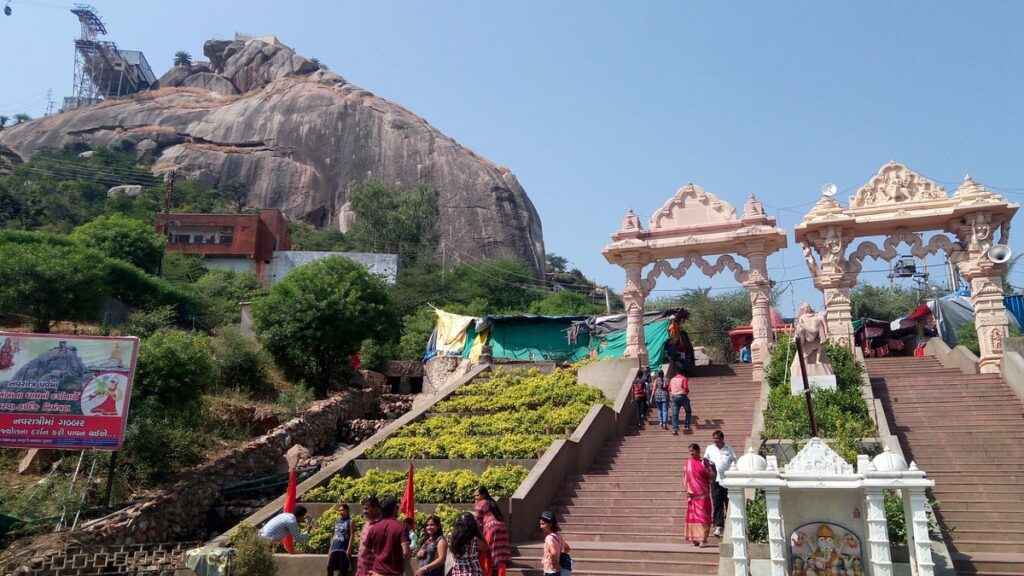
Gabbar Hill, located about 4–5 km from the main temple, is believed to be the original site where Sati’s Heart fell.
Highlights include:
Akhanda Jyot (eternal flame)
999 steps or modern ropeway access
Panoramic views of the Aravalli hills
Pilgrims often begin their Ambaji Shakti Peetha yatra from Gabbar Hill.
Rituals and Daily Worship at Ambaji
Daily rituals at Ambaji Mata Temple include:
Mangala Aarti
Shringar Aarti
Rajbhog
Sandhya Aarti
Shayan Aarti
Offerings commonly include coconuts, red chunri, bangles, sindoor, and sweets.
Festivals at Ambaji Shakti Peetha
Navratri
Navratri at Ambaji is legendary, featuring:
Nine nights of Devi worship
Garba and Dandiya Raas
Extended darshan hours
Bhadarvi Purnima
The Bhadarvi Purnima Mela draws lakhs of devotees undertaking padayatras, making it one of Gujarat’s largest religious gatherings.
Nearby Sacred Sites
Koteshwar Mahadev – Shiva temple near Saraswati origin
Mansarovar Kund – Ritual bathing tank
Kailash Hill Sunset Point – Peaceful vantage point
How to Reach Ambaji Shakti Peetha
By Air: Ahmedabad or Udaipur
By Rail: Abu Road (20–25 km)
By Road: Well-connected via Gujarat State Transport
Best Time to Visit Ambaji
October to March: Pleasant climate
Navratri & Bhadarvi Purnima: For grand celebrations
Weekdays: For peaceful darshan
Spiritual Practices and Mantras
Common chants at Ambaji Shakti Peetha:
Om Aim Hreem Kleem Chamundayai Vicche
Jai Arasuri Ambaji Maa
Meditative japa near the Sabha Mandap or Gabbar Hill is highly recommended.
Responsible Travel Tips
Maintain temple cleanliness
Avoid plastic
Support local artisans
Respect ritual protocols
Explore Other Sacred Shakti Peethas
Devotees who visit Ambaji Shakti Peetha often explore other powerful temples dedicated to the Divine Mother.
You may also like to read about:
For a complete guide, explore the article on 51 Shakti Peethas from North to South.
Quick Facts
Deity: Arasuri Mata
Shakti Peetha: Sati’s Heart
Location: Banaskantha, Gujarat
Symbol: Shri Visa Yantra