
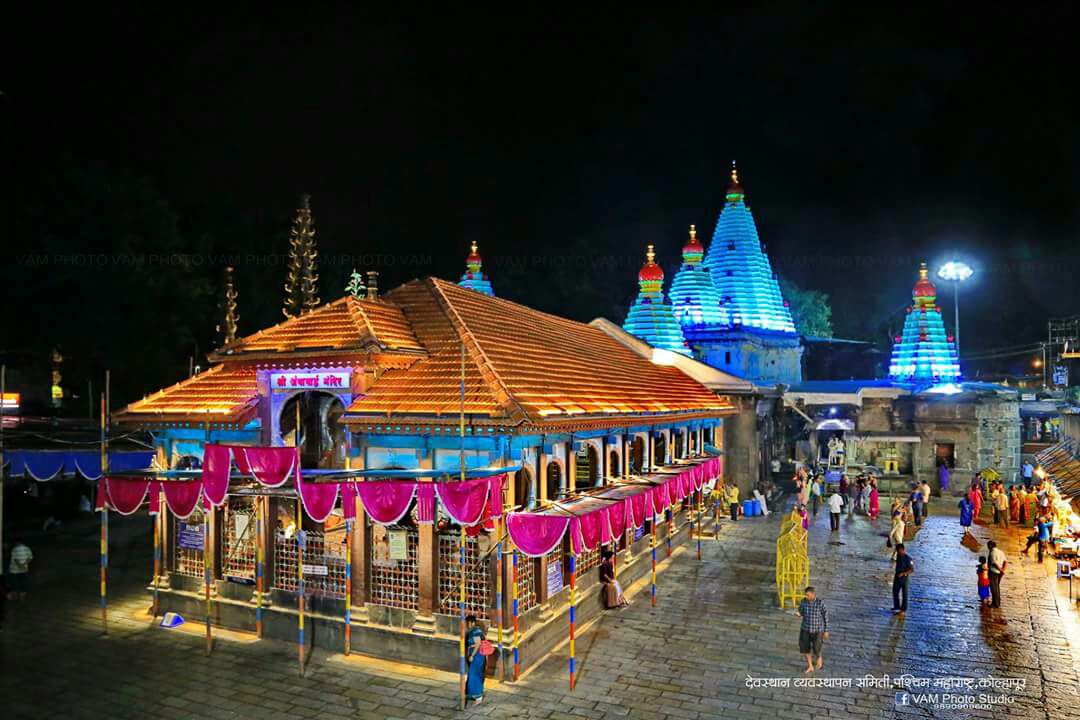
Kolhapur Mahalakshmi Shakti Peetha – Ambabai of Karveer Kshetra
Kolhapur Mahalakshmi Shakti Peetha, also revered as Ambabai Temple, is one of the most powerful and ancient Shakti Peethas in India. Located in Kolhapur, Maharashtra, this sacred shrine is celebrated as Karveer Kshetra and Dakshin Kashi, where devotees seek both bhoga (worldly prosperity) and moksha (liberation).
Unlike many temples dedicated solely to wealth, the Kolhapur Mahalakshmi Shakti Peetha represents the fierce yet benevolent form of the Divine Mother, worshipped across Shakta, Vaishnava, and Shaiva traditions, making it a rare spiritual confluence.
Mythological Origin of Kolhapur Mahalakshmi Shakti Peetha
According to Shakti Peetha tradition, after Goddess Sati immolated herself at Daksha Yagna, Lord Shiva carried her body across the cosmos in grief. To restore cosmic order, Lord Vishnu used the Sudarshana Chakra, causing parts of Sati’s body to fall at sacred locations across Bharata.
At Kolhapur Mahalakshmi Shakti Peetha, the Goddess’s eyes, face, or in some traditions the right arm, are believed to have fallen. This association sanctifies Kolhapur as a Mahashakti Peetha of vision, protection, and prosperity.
Karavira Mahatmya and the Slaying of Kolhasura
Local legends from the Karavira Mahatmya narrate that the demon Kolhasura terrorized the gods and sages. In response, Goddess Mahalakshmi manifested as Ambabai and annihilated the demon.
Before dying, Kolhasura requested:
The city be named Kolhapur
The Goddess remain eternally as its guardian
The Devi accepted his wish, anchoring her divine presence permanently in Karveer.
Historical Evolution of the Ambabai Temple
The origins of the Mahalakshmi Temple in Kolhapur trace back to at least the 7th century CE, with inscriptions attributing early construction to the Chalukya dynasty. Later contributions came from:
Shilaharas
Yadavas
Maratha rulers
Some scholars suggest earlier Jain influences, visible in sculptural motifs, later assimilated into Hindu worship—highlighting the temple’s long sacred continuity.
Architecture of Kolhapur Mahalakshmi Temple
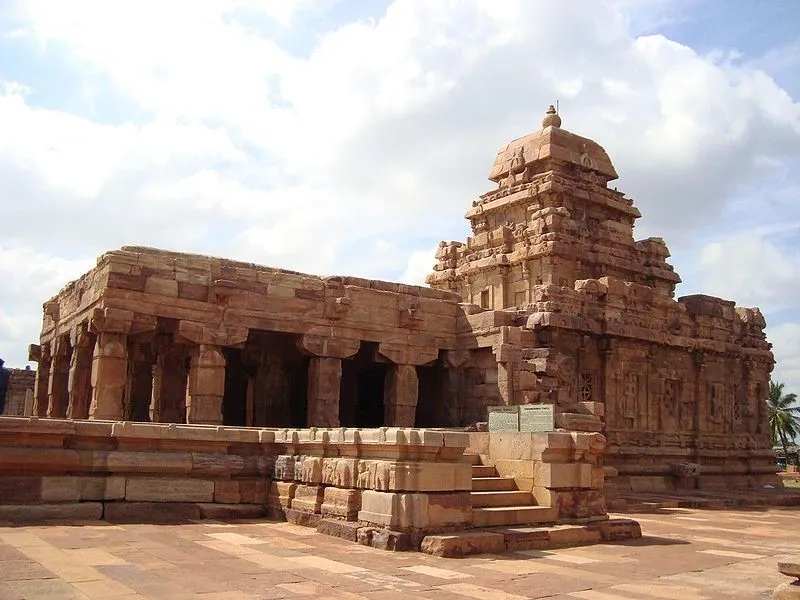
Constructed primarily of black basalt stone, the temple follows Chalukya–Hemadpanti architectural traditions.
Key Features:
West-facing sanctum (rare in Hindu temples)
Mortar-less stone construction
Intricate carvings of deities, dancers, and celestial beings
Brick shikhara added in later centuries
The Swayambhu Idol of Mahalakshmi (Ambabai)
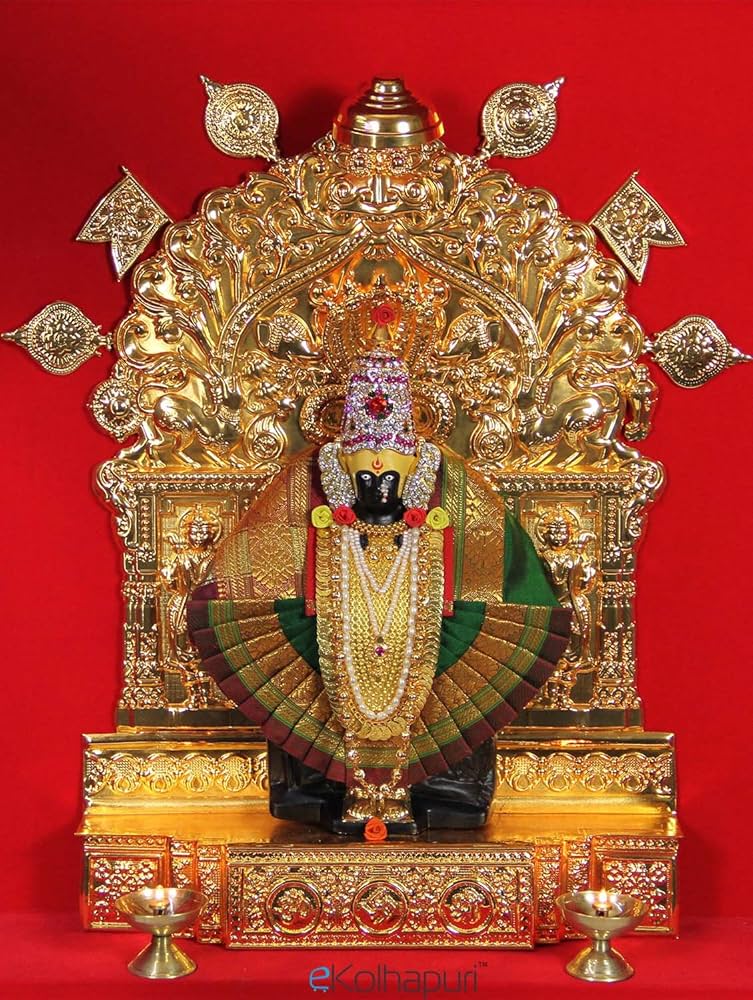
The presiding deity of the Kolhapur Mahalakshmi Shakti Peetha is revered as swayambhu (self-manifested).
Iconographic Highlights:
Four-armed black stone murti
Holds mace, shield, bowl, and matulinga fruit
Wears a yajnopavita (sacred thread)
Lion vahana positioned behind the deity
A Shri Yantra carved within the temple reinforces its tantric significance.
Kirnotsav – The Sun-Ray Festival
One of the most extraordinary features of the Ambabai Temple Kolhapur is Kirnotsav.
On select days around:
March–April
September–October
The setting sun’s rays pass through the western doorway and illuminate the face of the Goddess—a brilliant example of ancient astronomical precision.
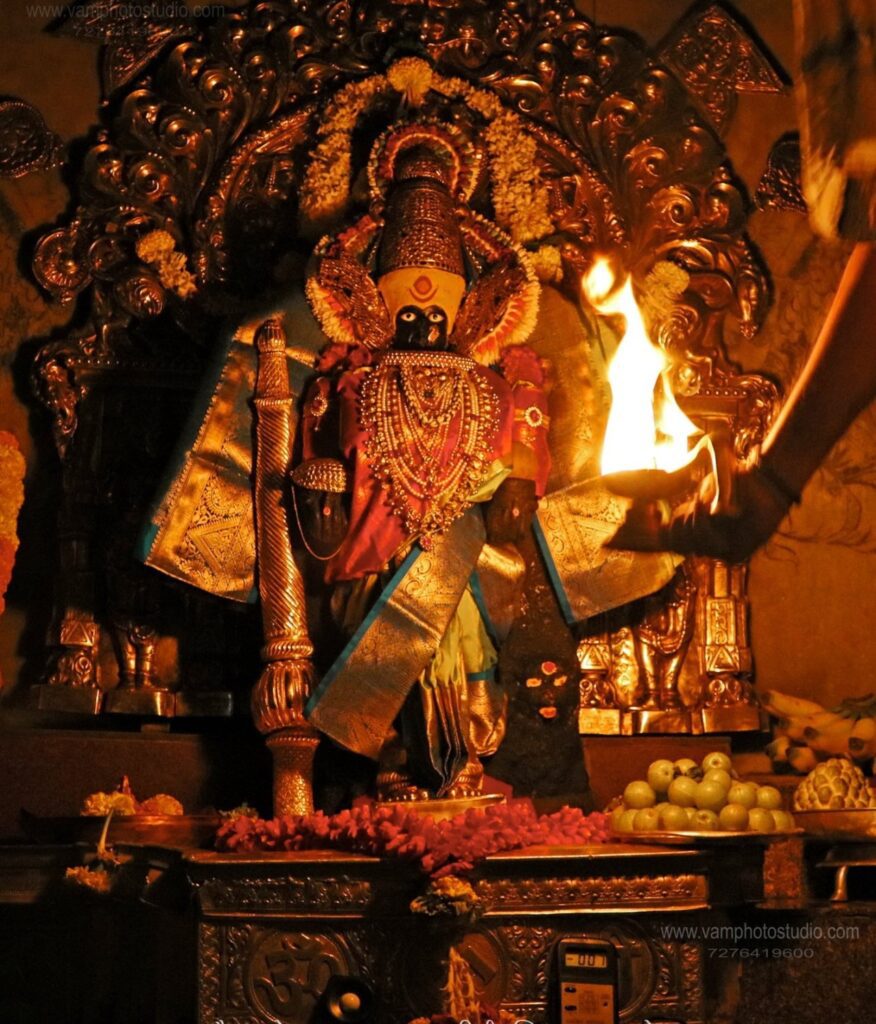
Rituals and Daily Worship
Daily worship at Kolhapur Mahalakshmi Shakti Peetha includes:
Kakada Aarti (early morning)
Abhishekam with milk and water
Shodashopachara puja
Alankaram and Naivedyam
Shejarati (night aarti)
Fridays are considered especially auspicious.
Major Festivals at Kolhapur Mahalakshmi Shakti Peetha
Navratri
Nine days of special alankarams
Chandi homa and deepotsava
Cultural and devotional programs
Rathotsav
Annual chariot festival drawing thousands of devotees.
Diwali & Margashirsha Vrat
Special Lakshmi worship for prosperity and abundance.
Sub-Shrines and Sacred Circuit
Within and around the temple complex:
Kashi Vishweshwar (Shiva)
Navagraha Shrine
Dattatreya
Rakhumai–Vithoba
Many devotees complete Trishakti Darshan by visiting Kolhapur, Tuljapur, and Pandharpur.
Visiting Information
📍 Location: Panchganga River banks, Kolhapur, Maharashtra
⏰ Timings: Early morning to late evening (varies by festival)
🎟️ Special Darshan: Paid options available during peak days
Best Time to Visit
October–February: Pleasant climate
Navratri: Grand celebrations (heavy crowds)
Early mornings & weekdays: Peaceful darshan
Spiritual Practices and Offerings
Popular offerings:
Kumkum
Green bangles
Sarees
Coconut and sweets (pedha)
Chants:
Om Shreem Mahalakshmyai Namah
Jai Ambabai Mahalakshmi
Nearby Sacred Places
Jyotiba Temple (Wadi Ratnagiri)
Narsobachi Wadi (Dattatreya Kshetra)
Panhala Fort
Quick Facts
Deity: Mahalakshmi (Ambabai)
Shakti Peetha: Eyes / Face of Sati
Kshetra: Karveer / Dakshin Kashi
State: Maharashtra
Short Prayer
“O Ambabai of Karveer,
Radiant Mahalakshmi of Kolhapur,
Bestow prosperity, protection, and wisdom.
May your grace illumine our lives.”

1 thought on “Kolhapur Mahalakshmi Shakti Peetha (Ambabai): The Sacred Seat of Divine Prosperity”