
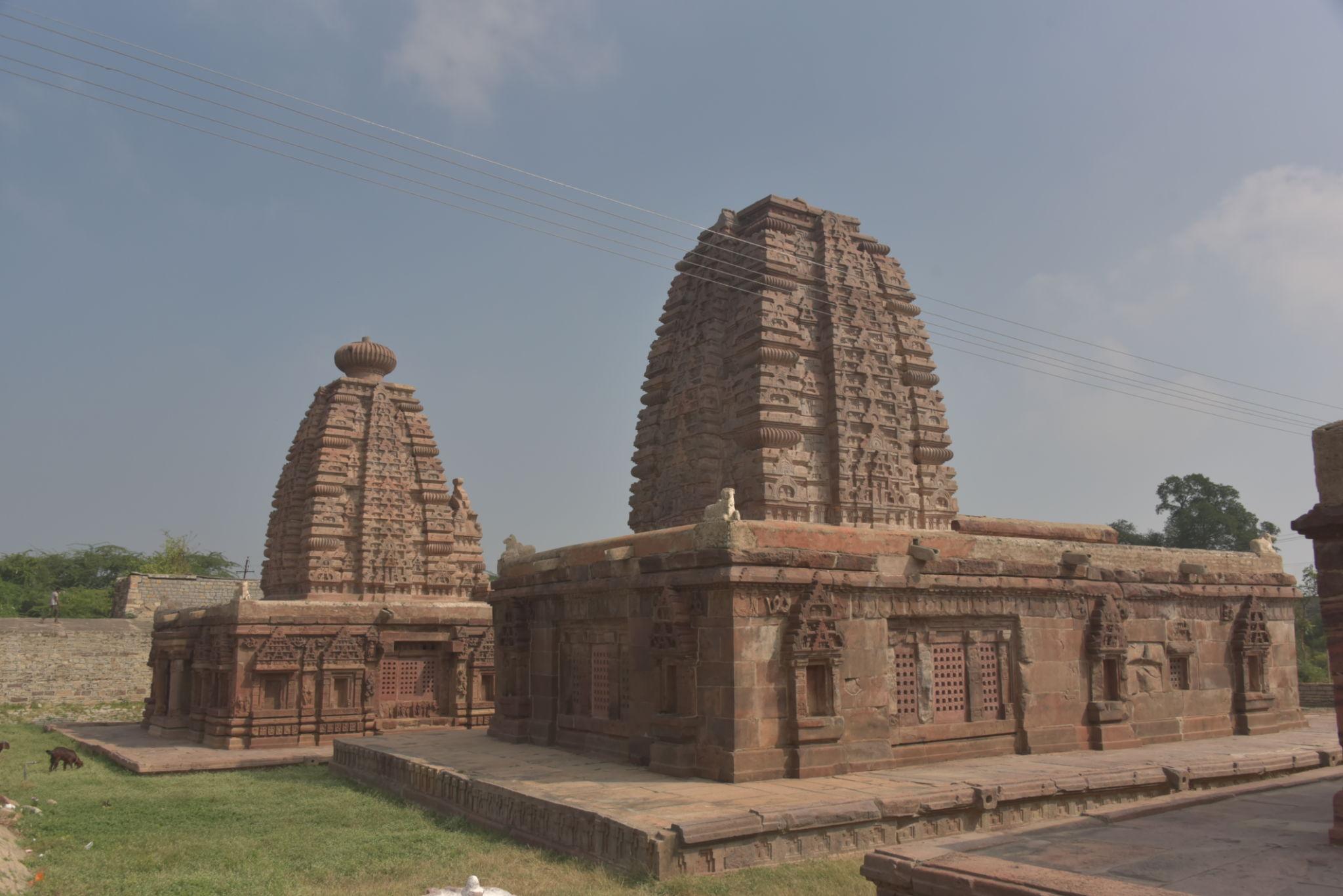
Alampur Jogulamba Shakti Peetha – The Western Gateway of Shakti
The Alampur Jogulamba Shakti Peetha in Telangana stands as one of the revered 18 Maha Shakti Peethas of India. Located near the sacred confluence of the Krishna and Tungabhadra rivers, this ancient shrine radiates fierce tantric energy and profound mythological importance.
Dedicated to Goddess Jogulamba, a powerful manifestation of Adi Shakti, this temple represents divine protection, destruction of evil forces, and spiritual awakening.
Often called Dakshina Kashi or the Southern Varanasi, Alampur is both a Shakta and Shaiva center of immense antiquity.
Mythological Significance – Where Sati’s Upper Teeth Fell
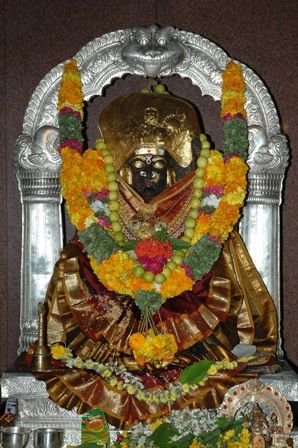
According to Shakti Peetha tradition:
When Goddess Sati immolated herself during Daksha’s Yagna, Lord Shiva carried her body in grief. Lord Vishnu dismembered the body to restore cosmic balance. At Alampur, her upper teeth (danta) are believed to have fallen.
This made the site one of the sacred Ashtadasha Maha Shakti Peethas.
Jogulamba here is worshipped in her Ugra (fierce) form:
Seated upon a corpse
With scorpion, frog, and lizard motifs
Symbolizing transcendence over death and poison
She is revered as the Mother of Yogis, protector against black magic and negative energies.
Historical Timeline of Alampur 7th–8th Century CE – Badami Chalukyas
Badami Chalukyas
Constructed the famous Nava Brahma temples, showcasing early Deccan architecture.
14th Century – Bahmani Period
The original Jogulamba temple was destroyed during invasions in 1390 CE.
The idol was safely relocated to the nearby Bala Brahmeswara Temple for protection.
2005 – Modern Reconstruction
The present Jogulamba Temple Telangana was rebuilt in Nagara style near the original elevated platform.
Nava Brahma Temples – Architectural Treasure
Nava Brahma Temples
The Alampur complex houses nine ancient Shiva temples:
Bala Brahma
Swarga Brahma
Taraka Brahma
Arka Brahma
Veera Brahma
Kumara Brahma
Padma Brahma
Garuda Brahma
Vira Brahma
These temples reflect:
Early Dravidian experimentation
Lathe-turned pillars
Minimal yet elegant ornamentation
They are protected by the Archaeological Survey of India.
Temple Architecture
The Alampur Jogulamba Shakti Peetha features:
Elevated platform
Thick stone walls
Compact sanctum
Mandapa for rituals
Sacred water tank
The reconstruction preserved tantric architectural principles while ensuring structural stability.
Rituals and Worship
Daily timings:
🕔 5:30 AM – 1:00 PM
🕒 3:00 PM – 8:30 PM
Common offerings:
Lemons
Turmeric
Red cloth
Kumkum
Special poojas include:
Archana
Homam
Abhishekam
Navaratri alankaram
The presence of Sri Chakra (traditionally linked to Adi Shankaracharya) enhances its tantric significance.
Major Festivals
Navaratri
Nine days of Devi worship, drawing thousands of pilgrims.
Maha Shivaratri
All-night Shaiva-Shakta rituals combining Bala Brahmeswara and Jogulamba worship.
Amavasya & Pournami
Special tantric homas and prayers.
Sacred Geography – Confluence of Rivers
Krishna Tungabhadra Sangam
The nearby river confluence amplifies the temple’s spiritual aura.
Holy dips during auspicious days are considered highly meritorious.
Pilgrimage Guide
📍 Location: Alampur, Jogulamba Gadwal District, Telangana
✈️ Nearest Airport: Hyderabad (220 km)
🚆 Nearest Rail: Alampur Road / Gadwal / Kurnool
🛣️ Well connected via NH-44
Best Time: October–February
Summer can be extremely hot.
Nearby Attractions
Sangameswara Temple
ASI Museum Alampur
Kurnool Fort
Srisailam (extended pilgrimage circuit)
Internal Shakti Peetha Circuit
To deepen your journey, explore:
And follow the master pillar guide:
51 Shakti Peethas – North to South Order
FAQs
Is Alampur Jogulamba one of the 18 Maha Shakti Peethas?
Yes, it is traditionally listed among the Ashtadasha Maha Shakti Peethas.
What part of Sati fell here?
Her upper teeth (danta).
Is it safe for solo pilgrims?
Yes, but summer heat and crowds during festivals require planning.
What makes Jogulamba unique?
Her fierce tantric iconography with symbolic creatures on her head.
Final Reflection
At the Alampur Jogulamba Shakti Peetha, the Goddess does not appear gentle — she appears protective, uncompromising, transformative.
Standing near the confluence of rivers, one senses ancient currents — of tantra, devotion, and survival. This is a temple that has endured destruction and resurrection, much like Shakti herself.