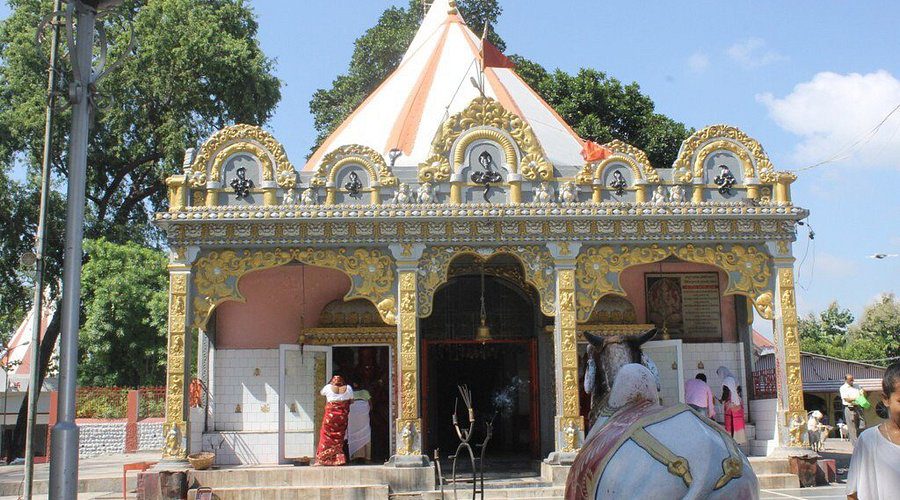
Bhairabi Temple Tezpur – The Fierce Grace of Bhairavi Shakti Peetha
Bhairabi Temple, also known as Bhairavi Peetha or Bhairabi Devalaya, is one of the most powerful Shakta shrines of Assam, revered by devotees as a Shakti Peetha associated with Goddess Bhairavi—the fierce yet compassionate form of the Divine Mother.
Situated on a serene hillock near Tezpur in Assam, the temple overlooks the vast Brahmaputra plains and stands as a living center of Tantric worship, Devi devotion, and ancient regional belief.
While classical Sanskrit lists of the 51 Shakti Peethas vary, Bhairabi Peetha is firmly established in regional Shakta tradition, especially within the Kamrupa–Sonitpur spiritual geography.
Mythology and the Shakti Peetha Tradition
According to the Shakti Peetha legend, when Goddess Sati (Dakshayani) immolated herself at Daksha’s yajna, Lord Shiva roamed the cosmos carrying her body in grief. To restore cosmic balance, Lord Vishnu used the Sudarshana Chakra to dismember Sati’s body, and the places where the fragments fell became Shakti Peethas.
At Bhairavi Shakti Peetha, local traditions differ slightly:
Some narrations state that a tooth of the Goddess fell here
Others associate the site with the left foot
These variations are common across Peetha traditions and do not diminish the sanctity of the shrine. The presiding Bhairava (Shiva) is worshipped alongside the Goddess, completing the sacred Shakti–Bhairava union.
Historical Background
The antiquity of Bhairabi Temple extends several centuries, with local chronicles, oral traditions, and Tantric lineages pointing to its pre-medieval origin.
Tezpur itself—ancient Sonitpur—is steeped in myth, associated with:
King Banasura
The legend of Usha and Aniruddha
Early Shaiva–Shakta worship
Repeated earthquakes in Assam’s history damaged the structure, causing a slight tilt, after which the temple was renovated multiple times by local patrons and later maintained with state involvement—yet its spiritual continuity never broke.
Location and Geography
Nearest Town: Tezpur (3–5 km)
District: Sonitpur
Setting: Hilltop shrine with steps and a motorable road
River System: Brahmaputra–Bharali confluence region
The temple lies close to the approach of the Kolia Bhomora Setu, offering panoramic views of riverine Assam and lush greenery.
Deity and Iconography
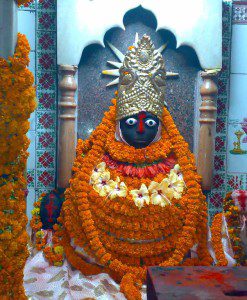
The Goddess is worshipped as Maa Bhairavi, one of the Ten Mahavidyas, embodying:
Fierceness that destroys negativity
Protection for devotees
Maternal compassion and siddhi-granting power
The main sanctum houses a swayambhu stone or consecrated murti, richly adorned with:
Red sindoor
Hibiscus flowers
Assamese silk (mekhela chador) during festivals
A separate shrine honors Bhairava, reinforcing the inseparable Shiva–Shakti principle.
Rituals, Tantric Legacy, and Daily Worship
Bhairabi Temple is revered as a Siddha Peetha, where sincere prayers are believed to manifest quickly.
Daily Worship
Shodashopachara puja
Morning and evening arati
Devi stotra recitations
Tantric Practices
Amavasya (New Moon)
Navaratri nights
Kaalratri observances
Offerings include coconuts, sindoor, hibiscus, lamps, fruits, and traditional sweets. Animal offerings, once common, are now regulated according to local customs and temple norms.
Festivals and Major Observances
Navaratri (Sharad & Chaitra) – nine nights of intense Devi worship
Durga Puja – grand celebrations with community participation
Ambubachi influence – Tantric influx inspired by Kamakhya tradition
Magh Bihu & Makar Sankranti – agrarian gratitude rituals
The temple becomes a cultural nucleus, blending devotion, folk music, and regional identity.
Architecture and Temple परिसर
The architecture reflects a blend of:
Traditional Assamese style
Later-period renovations
Temple Complex Includes:
Main Bhairavi sanctum
Bhairava shrine
Sacred peepal tree
Pilgrim rest areas
Puja shops and viewpoints
Vermilion and white dominate the color palette, symbolizing Shakti and purity.
Pilgrimage Experience
Atmosphere: Calm, powerful, deeply grounding
Best Time: Early morning or sunset arati
Dress Code: Modest attire
Photography: Restricted near sanctum
How to Reach Bhairavi Shakti Peetha
By Air
Tezpur Airport (limited)
Lokpriya Gopinath Bordoloi International Airport – 170–180 km
By Rail
Rangapara North Junction
Guwahati (major hub)
By Road
NH connectivity from Guwahati, Nagaon, Itanagar
Kolia Bhomora Setu is the main river crossing
Nearby Sacred and Historical Sites
Agnigarh – Usha–Aniruddha legend
Mahabhairab Temple – Ancient Shiva shrine
Da-Parbatia – Gupta-era sculptures
Bamuni Hills – Archaeological ruins
Cultural Significance in Assam
Bhairavi worship here reflects Assam’s syncretic Shakta–Tantric ethos, interwoven with:
River ecology
Agrarian cycles
Folk performance traditions
Local crafts and livelihoods
FAQs
Is Bhairabi Temple an official Shakti Peetha?
Classical lists vary, but regional Shakta tradition firmly recognizes it as a Shakti Peetha, similar to other regionally affirmed Peethas.Are accommodations available?
Yes. Tezpur offers hotels, lodges, and dharmashalas.Can non-Hindus visit?
Generally permitted in outer areas, subject to temple rules.
A Pilgrim’s Reflection
At Bhairavi Peetha, the power is not loud—it is anchored. As dawn mist lifts over the Brahmaputra and the first bells ring, the Goddess feels less distant, more present. This is a place where faith breathes slowly, and the Mother listens.