
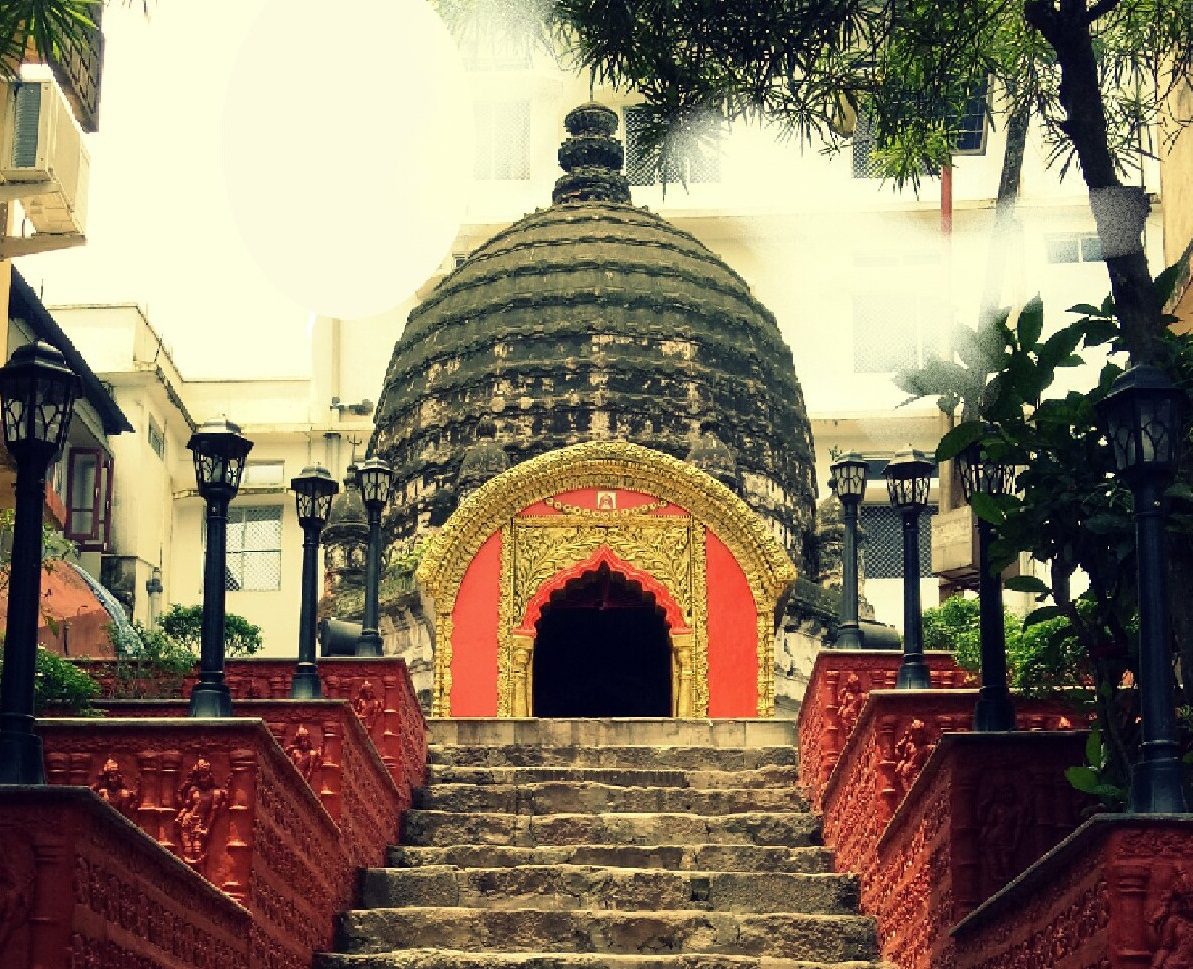
Kamakhya Devi Shakti Peeth: The Sacred Yoni Shrine of Divine Shakti
Kamakhya Devi Shakti Peeth is one of the most powerful and ancient sacred seats of the Divine Mother in India. Located atop Nilachal Hill in Guwahati, this revered Shakti Peetha marks the place where Goddess Sati’s yoni (womb) is believed to have fallen during the cosmic dismemberment of her body.
This unique shrine represents creation, fertility, desire, and the raw life force of Shakti, making Kamakhya a living center of Tantric worship and Devi devotion.
Kamakhya Shakti Peeth Guwahati and Sacred Geography
The Kamakhya Shakti Peeth Guwahati stands on Nilachal Hill, overlooking the mighty Brahmaputra River. The hill itself has been revered since pre-Vedic times by indigenous Kirata and Austric communities as a seat of feminine earth power.
Unlike many hilltop temples focused on ascetic worship, Kamakhya radiates life-affirming Shakti, rooted in fertility, seasonal cycles, and the rhythms of nature.
Mythological Origin of Kamakhya Temple Assam
According to the Kalika Purana, after Goddess Sati immolated herself at Daksha’s yajna, Lord Shiva wandered the cosmos carrying her body in grief.
To restore balance, Lord Vishnu used the Sudarshana Chakra to divide her body. Wherever a part fell, a Shakti Peeth manifested.
At Kamakhya Temple Assam, Sati’s yoni fell, sanctifying the hill as the supreme seat of creative feminine energy. The associated Bhairava here is Kameshwara, symbolizing desire united with consciousness.
Shakti Peeth in Assam and Its Unique Identity
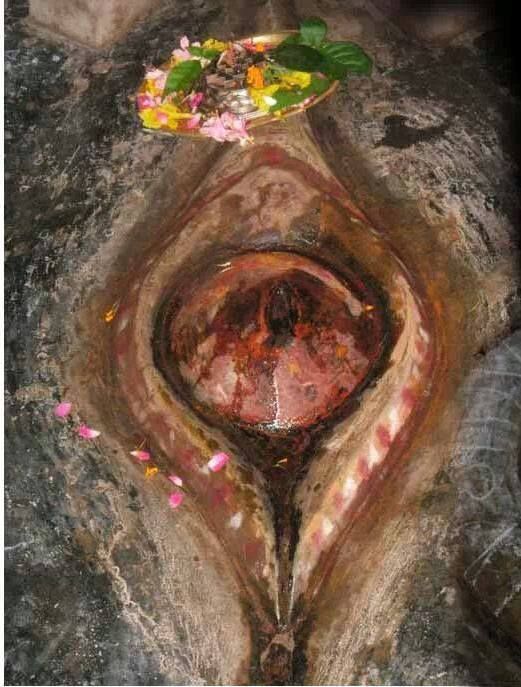
Among all Shakti Peeths in Assam, Kamakhya is unique because it does not enshrine an idol.
Instead, devotees worship:
A natural yoni-shaped rock cleft
A perennial underground spring
Red cloths and flowers symbolizing fertility
This aniconic worship emphasizes energy over form, aligning Kamakhya with the deepest layers of Tantric philosophy.
Kamakhya Devi Temple Nilachal Hill: Deity and Iconography
At Kamakhya Devi Temple Nilachal Hill, the Goddess is worshipped as:
Kamakhya – the fulfiller of desires
Mahashakti – the source of creation
Surrounding the main sanctum are shrines of the Ten Mahavidyas, including Kali, Tara, Tripurasundari, Bhuvaneshwari, and Kamala, making the complex a complete Shakta mandala.
Kamakhya Shakti Peeth History and Architecture
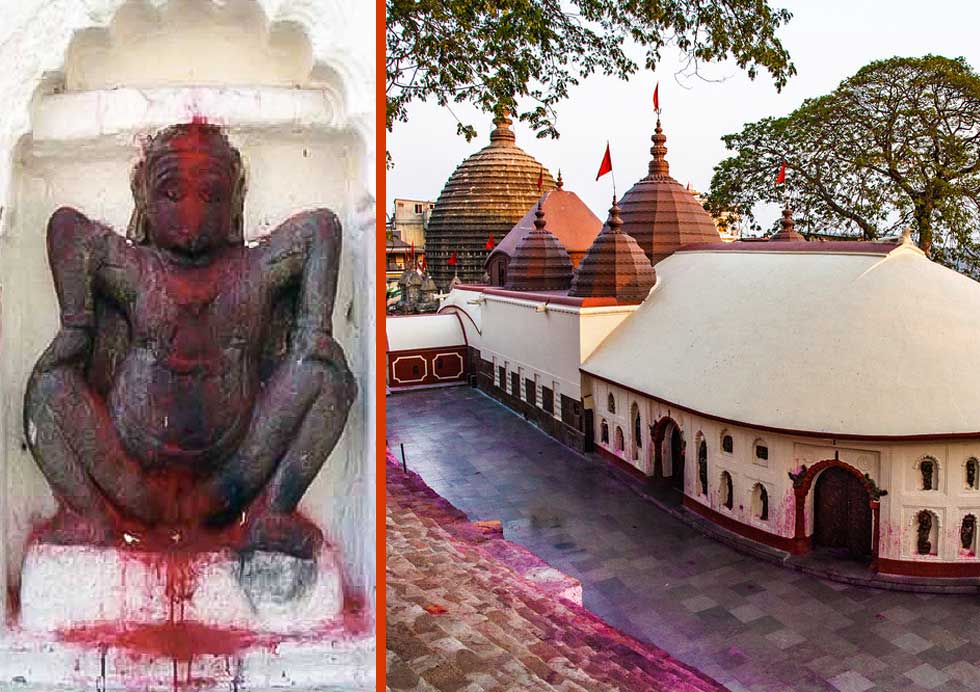
The Kamakhya Shakti Peeth history spans centuries. While the site is ancient, the current temple structure was rebuilt in the 16th century by the Koch king Naranarayan and his general Chilarai.
Architectural features include:
Nilachal-style beehive shikhara
Cruciform base with sculpted panels
Ahom-era inscriptions and carvings
The temple reflects a fusion of Assamese, Bengal, and Tantric architectural traditions.
Kamakhya Devi Yoni Peeth and Tantric Practices
As a Kamakhya Devi yoni peeth, the temple is a major center of Kaula and Vamachara Tantra.
Public worship includes:
Offering red hibiscus, sindoor, coconut
Devi mantras and yantra worship
Certain Tantric rites are kept private. Historically, animal sacrifice formed part of rituals, though symbolic offerings are increasingly emphasized today.
Festivals at Kamakhya Tantric Shakti Peeth
The Kamakhya Tantric Shakti Peeth is most vibrant during:
Ambubachi Mela (June): Celebrates the annual menstruation of the Goddess; temple closes for three days
Navaratri & Durga Puja: Grand Devi worship
Manasa Puja: Honoring serpent energy
Ambubachi uniquely honors earth’s fertility, reinforcing Kamakhya’s identity as a womb-shrine.
Visiting Kamakhya Devi Shakti Peeth
📍 Location: Nilachal Hill, Guwahati
✈️ Nearest airport: Lokpriya Gopinath Bordoloi Airport
🚆 Rail: Guwahati Junction
🕉️ Timings: Early morning to evening (with midday closure)
Photography is restricted inside the sanctum. Modest attire and respectful conduct are essential.
Spiritual Meaning of Kamakhya Devi Shakti Peeth
Kamakhya Devi Shakti Peeth teaches a profound truth:
Creation itself is sacred.
Desire is not sin—it is Shakti in motion.Here, the Divine Mother is not distant or abstract. She is alive, fertile, and present in the rhythms of nature and human life.
Quick Facts – Kamakhya Devi Shakti Peeth
State: Assam, India
City: Guwahati
Hill: Nilachal
Body part of Sati: Yoni
Bhairava: Kameshwara
Tradition: Shakta–Tantric
Frequently Asked Questions (FAQ)
Which body part of Sati fell at Kamakhya Devi Shakti Peeth?
According to Shakti Peetha tradition, Goddess Sati’s yoni fell at Kamakhya Devi Shakti Peeth.
Why is Kamakhya important in Tantra?
Kamakhya is a major Tantric center where Shakti is worshipped as raw creative energy, beyond idol form.
Is Kamakhya one of the 51 Shakti Peethas?
Yes, Kamakhya Devi Shakti Peeth is traditionally counted among the 51 Shakti Peethas.
Final Reflection
Kamakhya Devi Shakti Peeth is not merely a temple—it is the womb of the sacred, where earth breathes, desire transforms, and Shakti creates without apology. To stand on Nilachal Hill is to stand at the source of life itself.
May Maa Kamakhya awaken strength, balance, and sacred awareness within every seeker 🌺