Muktinath (Jwala Devi) Shakti Peeth, Nepal-The Sacred Flame of Liberation in the Himalayas
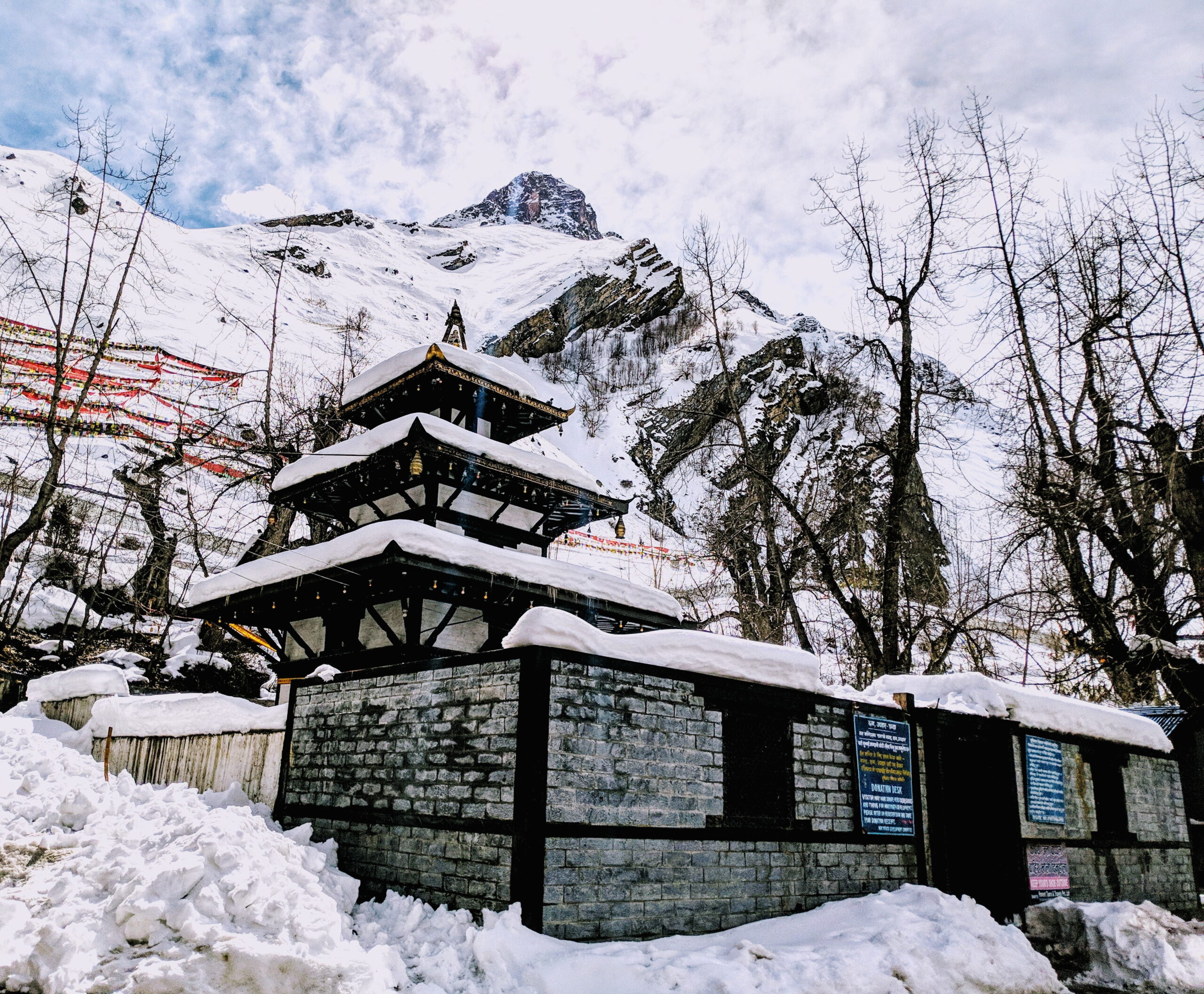
Muktinath (Jwala Devi) Shakti Peeth is one of the most extraordinary and rare sacred sites in the Shakti Peetha tradition. Located in the high Himalayan region of Mustang District, this shrine stands at an elevation of about 3,800 meters, where fire, water, stone, and sky come together in divine harmony.
Revered simultaneously by Hindus and Buddhists, Muktinath is known as:
Muktinath – Lord of Liberation (Vaishnava tradition)
Jwala Devi / Jwala Mai – The Goddess of the Eternal Flame (Shakta tradition)
Chumig Gyatsa – Hundred Waters (Tibetan Buddhist tradition)
Here, devotees seek moksha (liberation), purification of karma, and the direct experience of the Divine Mother’s fiery presence.
Location and Sacred Landscape of Muktinath Shakti Peeth
Muktinath (Jwala Devi) Shakti Peeth lies in the rain-shadow zone of the Himalayas, beyond the Annapurna range, near Jomsom and Ranipauwa village. The sacred Kali Gandaki River flows nearby, famous for its saligram stones, revered as an aniconic form of Lord Vishnu.
Snow-covered peaks of Annapurna and Dhaulagiri surround the temple, creating an atmosphere of deep stillness and spiritual intensity.
Shakti Peeth Identity and Mythological Context
In the Shakti Peetha tradition, Muktinath is revered as Jwala Devi Peeth, associated with the manifestation of the Goddess as an eternal flame (jwala).
According to Devi-centric lore:
Goddess Sati, after self-immolation at Daksha’s yajna, was carried by Lord Shiva in grief
Lord Vishnu used the Sudarshana Chakra to dismember her body
Wherever parts or energies of Sati manifested, Shakti Peethas arose
At Muktinath (Jwala Devi) Shakti Peeth, the ever-burning natural flame is worshipped as a direct manifestation of Shakti herself—fire that burns without fuel, symbolizing consciousness that never fades.
Even where textual lists vary, devotees recognize Muktinath’s flame as living Shakti, not symbolic memory.
Vaishnava Significance: Lord of Liberation
For Vaishnavas, Muktinath means the Lord who grants liberation. The main temple enshrines a Vishnu murti, worshipped alongside:
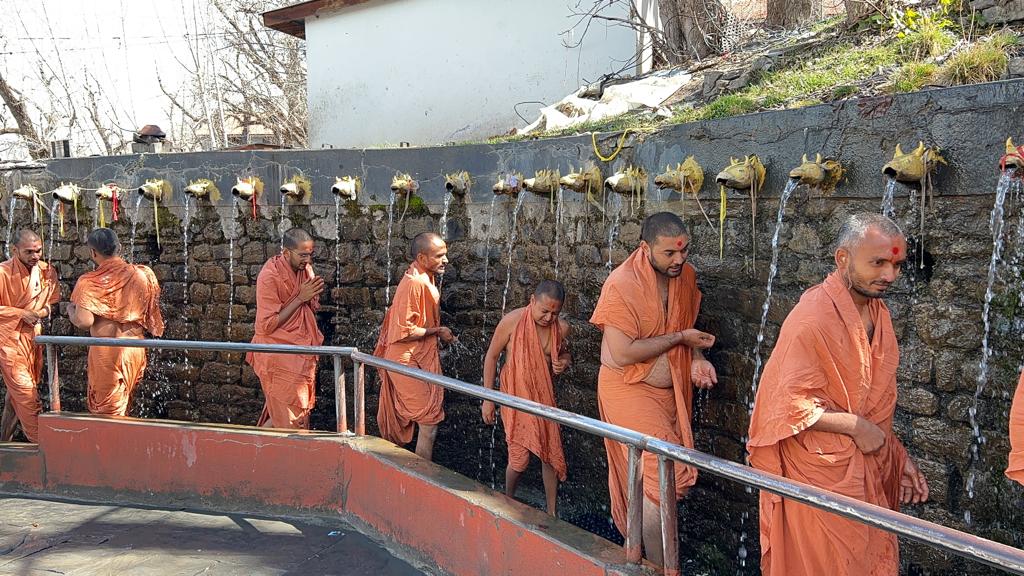
108 Mukti Dhara (water spouts)
Two sacred ponds (kundas)
Saligram stones from Kali Gandaki
It is believed that bathing under the 108 spouts, followed by darshan of Vishnu and Jwala Devi, cleanses lifetimes of karma.
Jwala Devi (Jwala Mai) Temple – The Eternal Flame
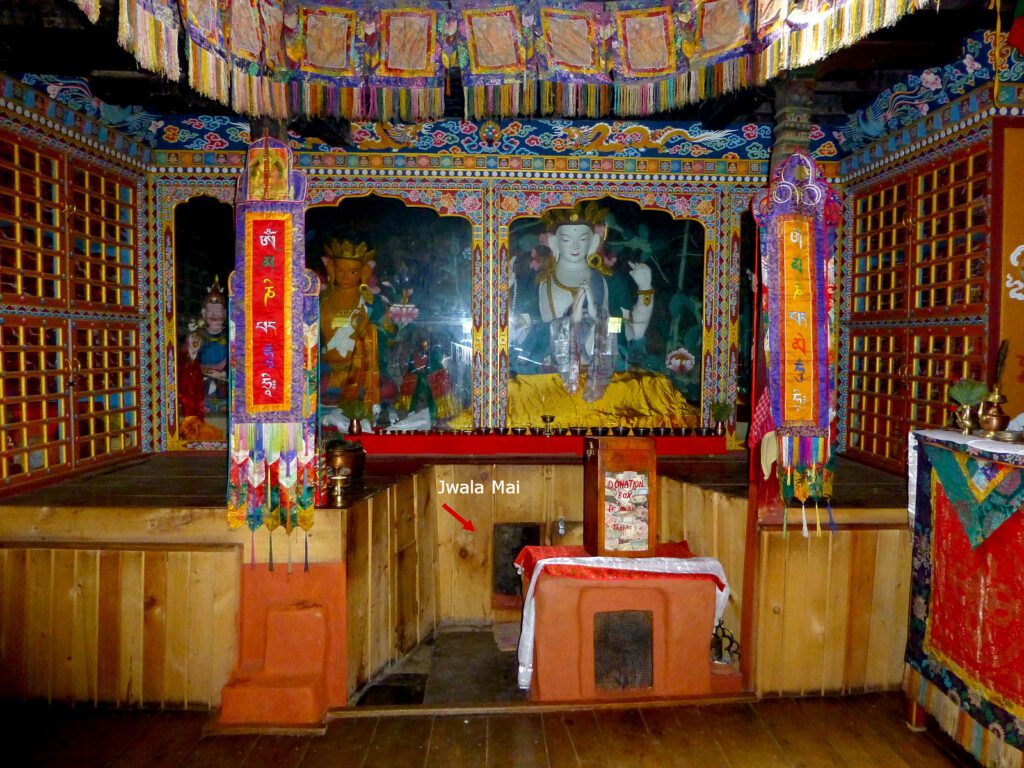
The Jwala Devi shrine is located just south of the main Muktinath temple.
Inside a small cave-like sanctum:
Blue-orange flames emerge naturally from rock fissures
The flames are fueled by underground natural gas
Water flows beneath the flame—fire and water coexisting
This rare phenomenon symbolizes non-duality:
Shakti as both nurturing and transformative
Pilgrims offer lamps, prayers, and silent surrender at the Jwala Mai shrine.
Buddhist Perspective – Chumig Gyatsa
In Tibetan Buddhism, Muktinath is known as Chumig Gyatsa (Hundred Waters). Buddhists associate the site with:
Avalokiteshvara (Chenrezig)
Guru Rinpoche (Padmasambhava)
The flame is interpreted as primordial wisdom, and the waters as compassion flowing into form. Prayer flags, wheels, and monasteries around the temple reflect this living syncretism.
Temple Complex and Sacred Features
Main sanctum: Pagoda-style Vishnu temple
Jwala Mai shrine: Natural eternal flame cave
108 water spouts: Carved bull-head spouts in a semi-circle
Saligram kshetra: Riverbeds of Kali Gandaki
Nearby gompas: Buddhist monasteries in Jharkot and Ranipauwa
How to Reach Muktinath (Jwala Devi) Shakti Peeth
✈️ Fly: Pokhara → Jomsom (weather dependent)
🚙 Road: Pokhara/Kathmandu → Beni → Jomsom → Muktinath
🥾 Trek: Annapurna Circuit or Jomsom–Muktinath route
Permits:
ACAP (Annapurna Conservation Area Permit)
Restricted permits required only for Upper Mustang beyond Kagbeni
Rituals, Festivals, and Best Seasons
Daily rituals include:
Morning aarti to Vishnu
Lamp offerings to Jwala Devi
Holy bathing under Mukti Dhara
Major festivals:
Janai Purnima / Raksha Bandhan (Aug)
Dashain & Tihar (Oct–Nov)
Best time to visit:
March–May
September–November
Winter months can be severe due to snow and altitude.
Altitude, Health, and Temple Etiquette
Acclimatize at Jomsom or Kagbeni
Stay hydrated; avoid alcohol
Descend if altitude sickness symptoms worsen
Dress modestly; remove shoes
Respect both Hindu and Buddhist practices
Spiritual Meaning of Muktinath (Jwala Devi)
Muktinath teaches a rare spiritual truth:
Liberation is not escape,
but the burning away of ignorance.Fire purifies.
Water cleanses.
Silence liberates.At Muktinath (Jwala Devi) Shakti Peeth, the seeker experiences all three.
Quick Facts – Muktinath (Jwala Devi) Shakti Peeth
Country: Nepal
Region: Mustang District
Elevation: ~3,800 m
Shakti form: Jwala Devi (Eternal Flame)
Vaishnava form: Lord Vishnu (Muktinath)
Sacred elements: Fire, water, saligram
Best season: Mar–May, Sep–Nov
Frequently Asked Questions (FAQ)
Is Muktinath a Shakti Peeth?
Muktinath is revered in the Shakta tradition as Jwala Devi Peeth, where the Goddess manifests as an eternal flame.
Why is Muktinath important for liberation?
Hindus believe bathing under the 108 water spouts and worshipping Vishnu here grants moksha.
Can Buddhists visit Muktinath?
Yes. Muktinath is sacred to Buddhists as Chumig Gyatsa, associated with Avalokiteshvara.
Final Reflection
Muktinath (Jwala Devi) Shakti Peeth is not merely a temple—it is a threshold. Beyond it lies silence, sky, and surrender. Those who reach it do not return the same; something within loosens, burns, and finally rests.
May the eternal flame of the Goddess guide every seeker toward liberation 🔥🌺