
Patnadevi Shakti Peetha – The Boon-Granting Chandika Devi of Maharashtra
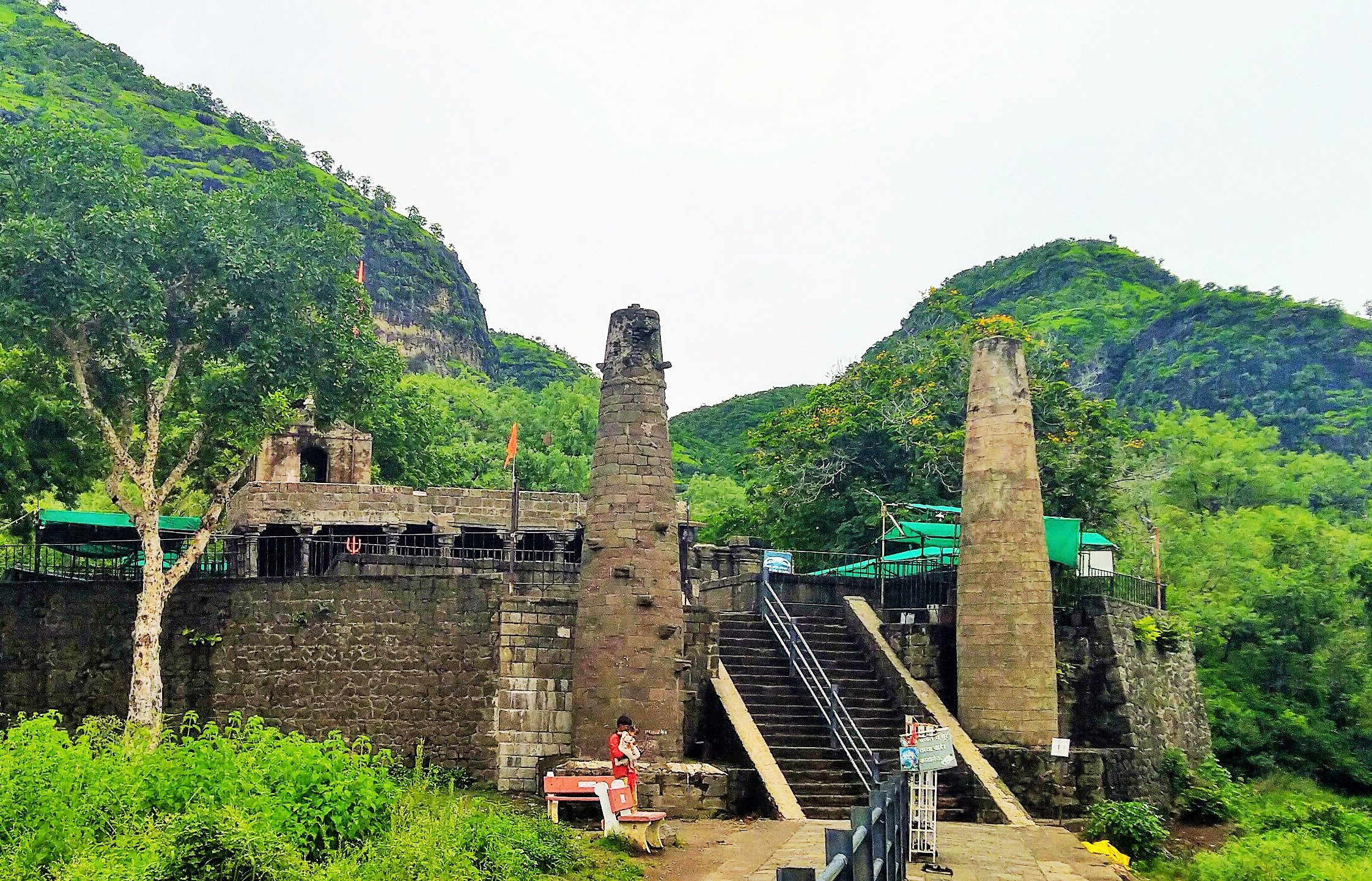
Tucked deep within the forested hills of the Satmala range, near Chalisgaon in Jalgaon district, Patnadevi Shakti Peetha is one of Maharashtra’s most quietly powerful shrines of the Divine Mother. Surrounded by basalt cliffs, ancient caves, and seasonal waterfalls inside the Gautala Autramghat Wildlife Sanctuary, this sacred site offers a rare union of Shakti worship, medieval history, and living nature.
Here, the Goddess is worshipped as Chandika Devi—fierce, protective, and compassionate—granting strength, protection, and boons to her devotees.
Mythological Significance of Patnadevi Shakti Peetha
According to the Shakti Peetha tradition, after Goddess Sati immolated herself at Daksha Yagna, Lord Shiva carried her body across the cosmos in grief. To restore balance, Lord Vishnu used the Sudarshana Chakra, and wherever parts of Sati fell, powerful Shakti Peethas arose.
At Patnadevi Shakti Peetha, scriptures such as the Devi Bhagavata Purana state that Sati’s Varadahasta—the boon-granting hand—fell here. Because of this, Patnadevi is revered as a place where sincere prayers, vows, and sankalpas are fulfilled.
The presiding deity, Chandika Devi, derives her name from slaying the demons Chanda and Munda, embodying righteous fury that protects dharma.
Chandika Devi – The Fierce Mother of the Hills
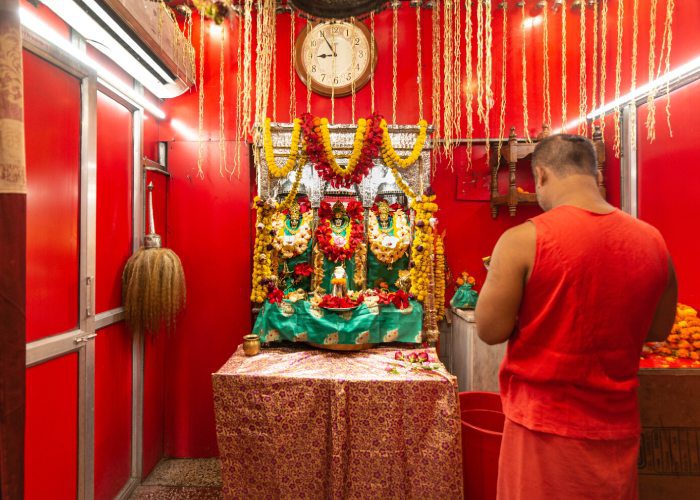
At Patnadevi, the Goddess is not distant or symbolic—she is immediate and responsive. Devotees believe:
She grants inner shakti (strength)
She removes negative influences
She blesses devotees with courage, clarity, and protection
A separate shrine to Lord Shiva within the complex reflects the eternal union of Shakti and Shiva, reinforcing the site’s tantric and yogic importance.
History and Sacred Heritage
The Patnadevi region—historically known as Patna or Patnagari—was once a fortified settlement on trade routes linking Khandesh with the Deccan plateau.
Archaeological and architectural traces reveal:
Satavahana to Yadava-period activity
Rock-cut caves suggesting early Shaiva, Buddhist, or ascetic use
Medieval Hemadpanti-style construction, marked by sturdy stone masonry and minimal ornamentation
Local tradition also associates the region with ancient sages and Nath-Yogi lineages, adding layers of spiritual continuity.
Temple Architecture and Layout
The Patnadevi Temple reflects understated strength rather than grandeur.
Architectural Highlights:
Stone sabhamandap with carved pillars
Compact garbhagriha housing the goddess
Hemadpanti-influenced shikhara
Stone deepmal (lamp tower) and sacred water tanks fed by hill springs
The surrounding gorge—framed by cliffs and greenery—creates a natural amphitheatre for aartis and festivals, especially during monsoon and Navratri.
Festivals and Ritual Life
Navratri (Ashwin & Chaitra)
The most auspicious period at Patnadevi Shakti Peetha:
Nine nights of special alankars
Devotional music and folk programs
Community feasts and deepmal lighting
Weekly & Lunar Observances
Tuesdays and Fridays are highly auspicious
Amavasya and Purnima draw steady crowds
Offerings include coconuts, red chunri, oil lamps, and vermilion
Morning and evening aartis are the spiritual heart of the day.
Location and How to Reach
📍 District: Jalgaon, Maharashtra
📍 Nearest town: Chalisgaon (18–20 km)
Travel Options:
By Rail: Chalisgaon Junction (well connected)
By Road: Taxis and private vehicles via sanctuary check-post
By Air: Aurangabad (85–95 km), Jalgaon Airport (120 km)
The final approach winds through forest roads—quiet, scenic, and deeply calming.
Best Time to Visit
October–February: Ideal weather
Monsoon (June–September): Lush beauty, waterfalls (use caution)
Summer: Early mornings recommended
Early visits offer fewer crowds and a meditative atmosphere.
Nearby Attractions
Patnadevi Caves & Fort Remains – echoes of medieval Patnagari
Gautala Wildlife Sanctuary – rich flora and fauna
Ajanta Caves (130–150 km) – UNESCO heritage
Aurangabad circuit – Daulatabad Fort, Bibi ka Maqbara
Responsible Pilgrimage Tips
Respect sanctuary rules; avoid plastic
Wear modest attire
Carry cash (network may be weak)
Avoid loud music and littering
A pilgrimage here is also a promise to protect nature.
FAQs
Is Patnadevi the same as Renuka Devi?
Locally worshipped as Chandika/Patna Devi; some traditions align her with Renuka or Saptashrungi aspects.Are treks available?
Yes—short, safe walks; longer treks should be guided.Is photography allowed?
Usually allowed outside; restricted in the sanctum.
Final Reflection
Patnadevi does not announce herself with crowds or grandeur. She waits—within stone, forest, and silence. For those who come with humility, the Varadahasta of the Goddess still blesses, just as it has for centuries.