
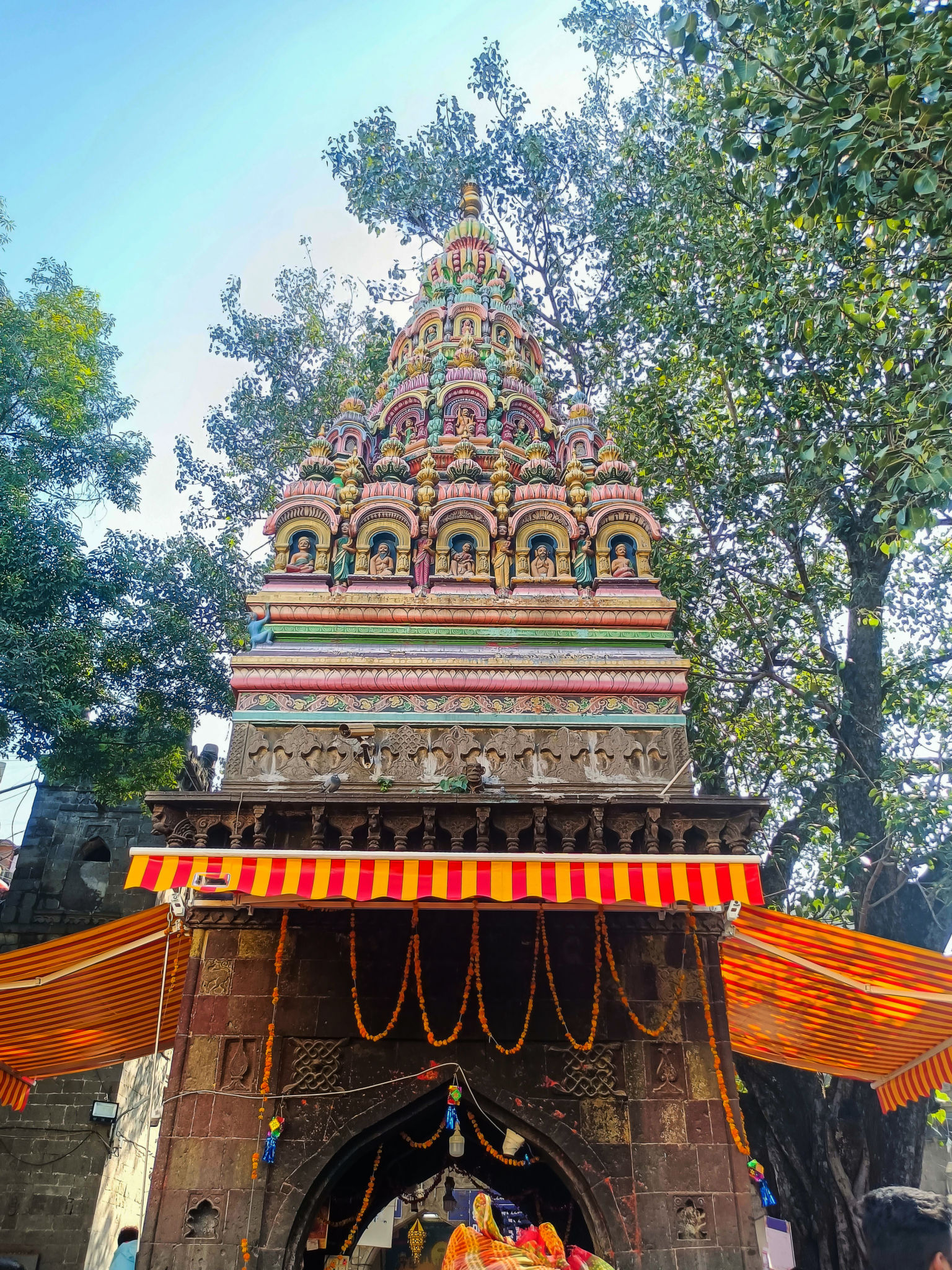
Tulja Bhavani Shakti Peetha – The Living Power of Tuljapur
The Tulja Bhavani Shakti Peetha in Tuljapur, Maharashtra, is not merely a temple—it is a living force of courage, justice, and maternal protection. Perched on Yamunachala Hill in today’s Dharashiv district, this shrine has shaped the faith of saints, farmers, warriors, and kings for centuries.
For the Maratha heartland, Tulja Bhavani is not distant divinity. She is Ambabai, the Mother who listens, responds, and protects—swiftly.
Sacred Identity of Tulja Bhavani Shakti Peetha
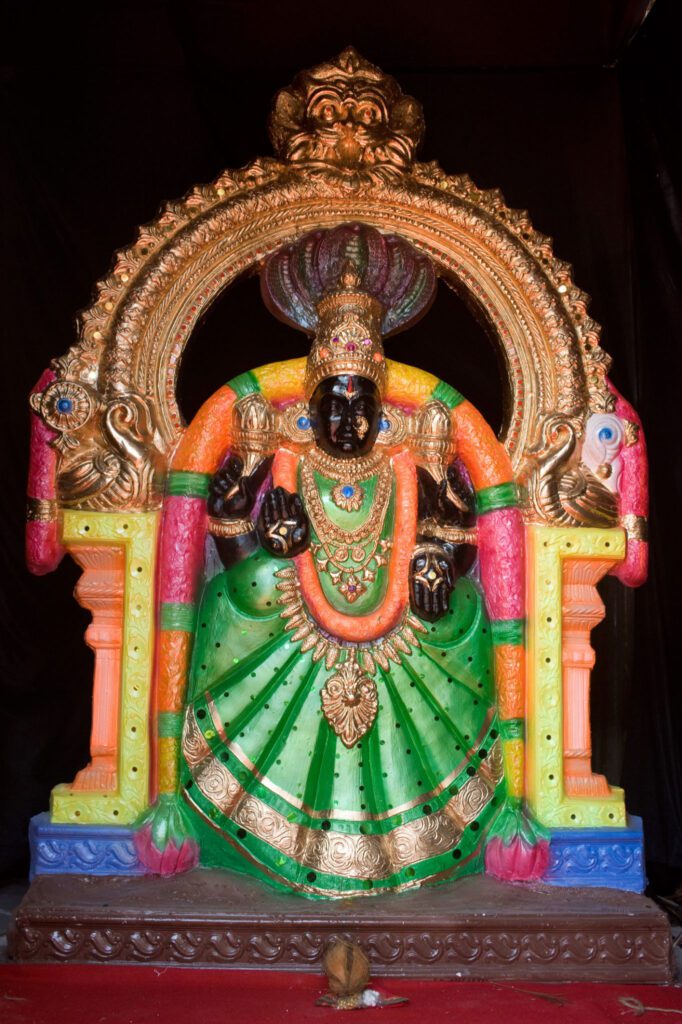
Tulja Bhavani is worshipped as a fierce yet compassionate form of Parashakti, aligned with Durga and Bhavani traditions. The presiding deity is a swayambhu (self-manifested) granite murti, compact yet intensely powerful in presence.
Though classical lists of the 51 Shakti Peethas vary, Tuljapur holds an undisputed place in Maharashtra’s living Shakta tradition, alongside Kolhapur, Mahur, and Saptashrungi.
Mythological Origin of Tuljapur
According to ancient legends, the Goddess appeared here during Satya Yuga to slay the demon Matanga, who had assumed a buffalo-like form and tormented sages. The hill where this victory occurred came to be revered as Yamunachala.
Shakti Peetha traditions associate Tuljapur with Goddess Sati’s eye or facial energy, symbolizing divine vigilance, justice, and protection—qualities deeply embodied by Bhavani Mata.
Tulja Bhavani and Chhatrapati Shivaji Maharaj
The most powerful chapter in the temple’s history unfolds in the 17th century, when Chhatrapati Shivaji Maharaj revered Tulja Bhavani as his Kuldevi (family deity).
Legend holds that before embarking on his mission of Swarajya, Shivaji received the divine sword Chandrahasa from the Goddess herself. Whether seen as history or sacred symbolism, this belief forever bound Tuljapur to Maratha identity and dharma-driven leadership.
Historical Timeline at a Glance
Pre-10th century: Oral traditions and Puranic lore establish early sanctity
10th–13th centuries: Patronage under Chalukyas and Yadavas
14th–16th centuries: Continued reverence during Deccan Sultanates
17th century: Height of prominence under Marathas
Modern era: Temple trust administration and pilgrim infrastructure
The Tulja Bhavani Temple has never lost relevance—only adapted to time.
Temple Architecture and Layout
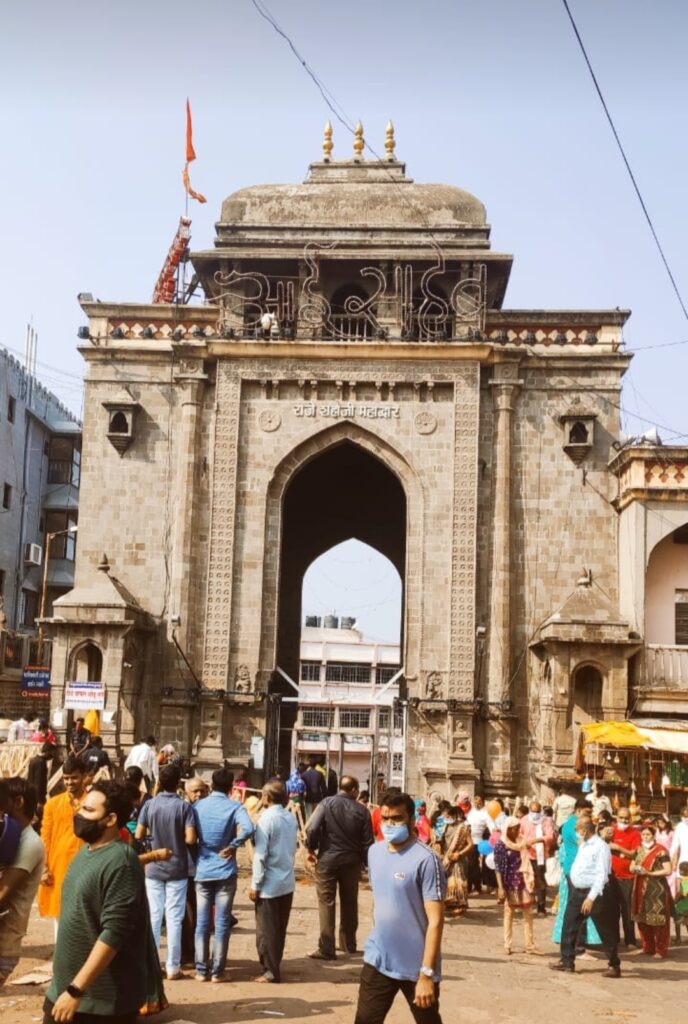
The temple complex is entered through Mahadwar, after which devotees descend toward the sanctum—creating a symbolic journey inward.
Architectural Highlights:
Hemadpanti-style stone construction
Fortified temple precinct
Pillared mandapas for bhajan and rituals
Sub-shrines to Kalabhairava, Matangi, and Khandoba
The Garbhagriha houses the awe-inspiring swayambhu murti, often adorned with a silver mukha during festivals.
Rituals and Daily Worship
Daily worship at Tulja Bhavani Shakti Peetha follows a traditional rhythm:
Mangala Aarti at dawn
Mahanaivedya at midday
Evening Aarti and Shej Aarti
Devotees commonly offer odhni (blouse cloth), coconuts, bangles, and kumkum, especially on Tuesdays and Fridays.
Navratri and Major Festivals
Navratri in Tuljapur is electrifying:
Deepmalas illuminate the complex
Gondhal performances echo Bhavani’s victories
Vijayadashami procession marks triumph of dharma
Chaitra Navratri, Amavasya, and Pournima also draw large pilgrim gatherings.
Pilgrimage Planning Guide
Best time to visit:
October–February (pleasant weather)How to reach:
Rail: Solapur / Dharashiv
Road: Well-connected from Pune, Hyderabad, Solapur
Air: Pune or Hyderabad for major connectivity
Darshan options:
Free darshan, Shighra darshan, and special pujas via temple office.
Nearby Sacred Places
Pandharpur (Vitthala)
Akkalkot Swami Samarth
Saptashrungi Shakti Peetha
Together, they form a powerful Maharashtra Shakti circuit.
Final Reflection
Standing before Tulja Bhavani, one does not feel fear—but steadiness. This is the Shakti that does not roar unnecessarily, yet never retreats. For centuries, she has shaped courage, protected the vulnerable, and anchored faith in turbulent times.
A visit to Tulja Bhavani Shakti Peetha is not just pilgrimage—it is remembrance of inner strength.